
Astrophotography AI Art Prompts: Create Breathtaking Celestial Art
Modern prompt pattern • responsive assets • ready-to-copy
Prompt Template
A detailed photograph of [Celestial Object], [Style of Nebula/Galaxy], vibrant colors of [Color 1] and [Color 2], surrounded by [Specific Cosmic Feature], dramatic cosmic lighting, shot with a high-powered space telescope, ultra-detailed, photorealistic, 8K resolution, astrophotography --style raw --ar [Aspect Ratio]
Examples
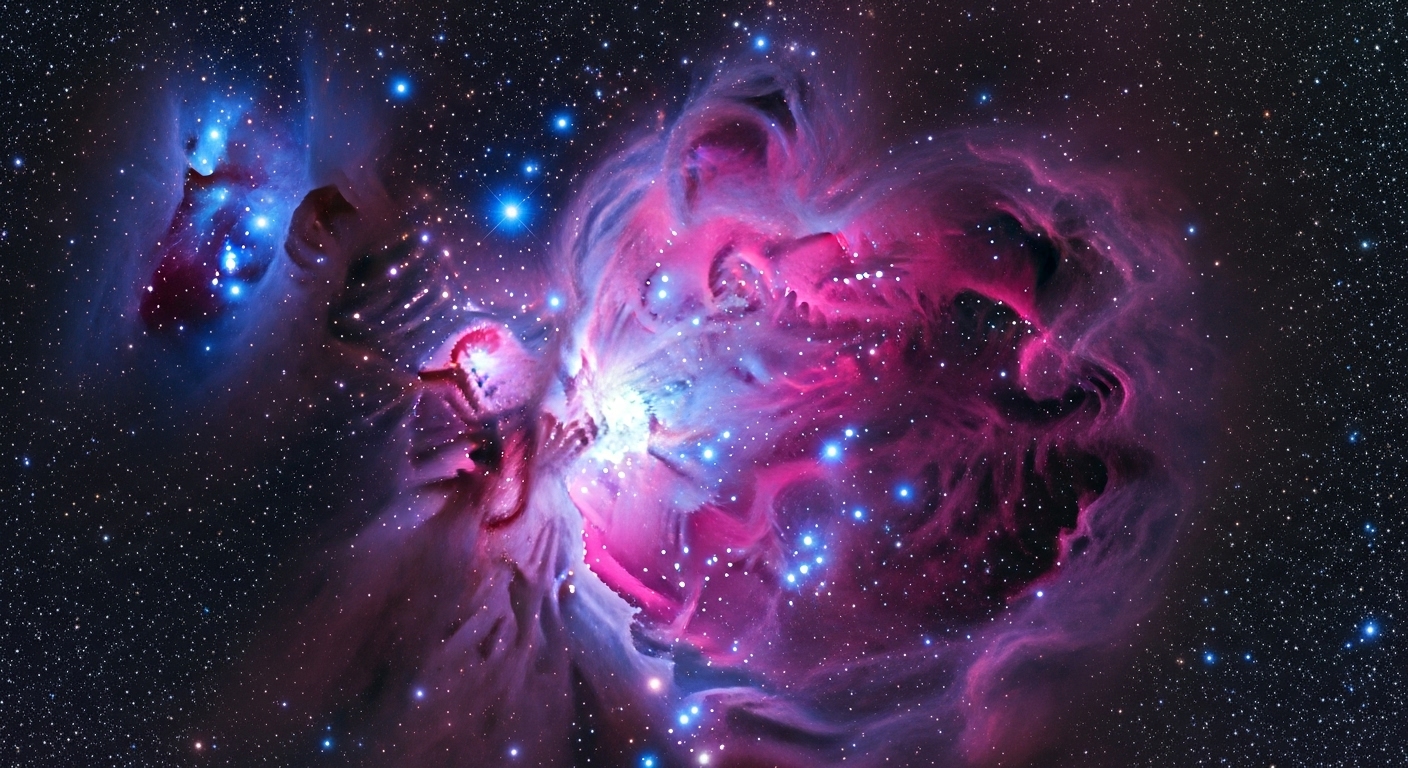
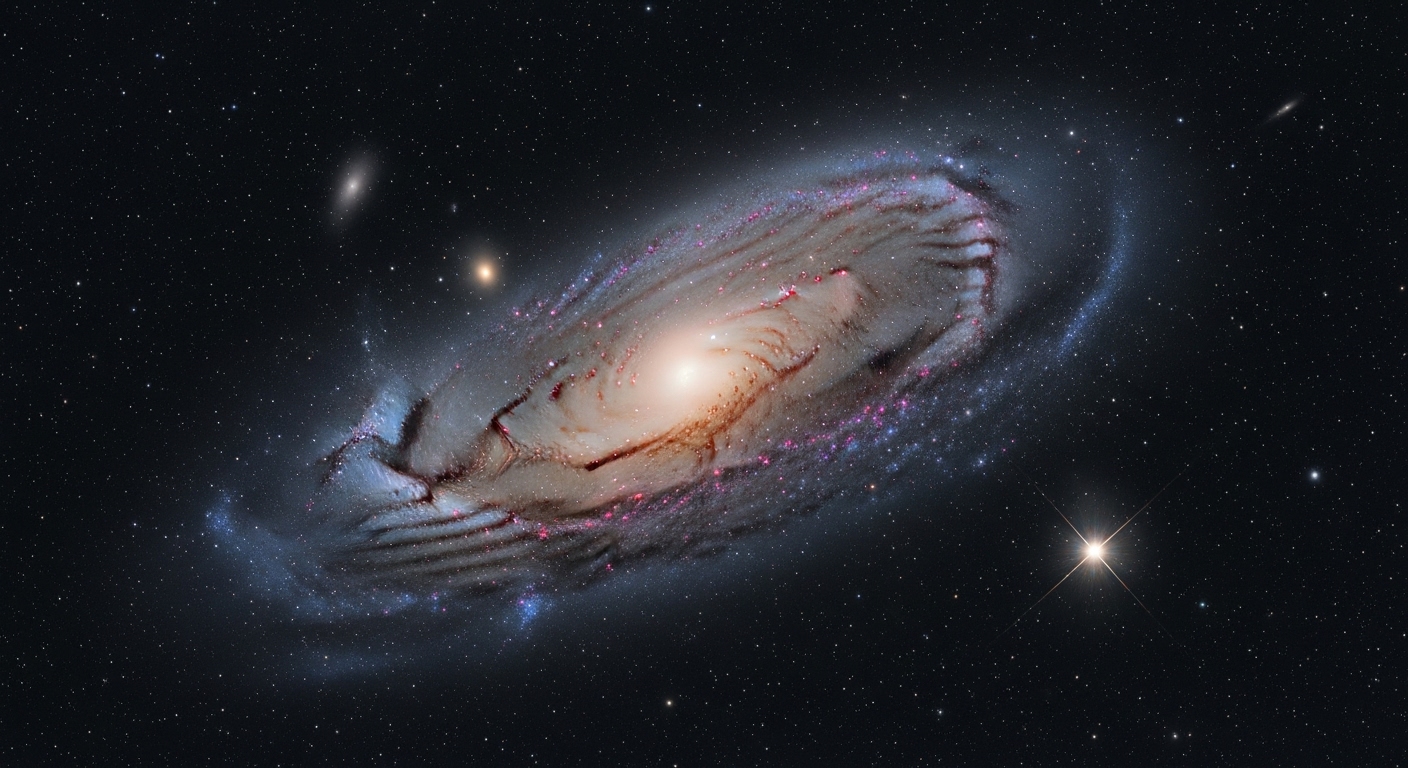
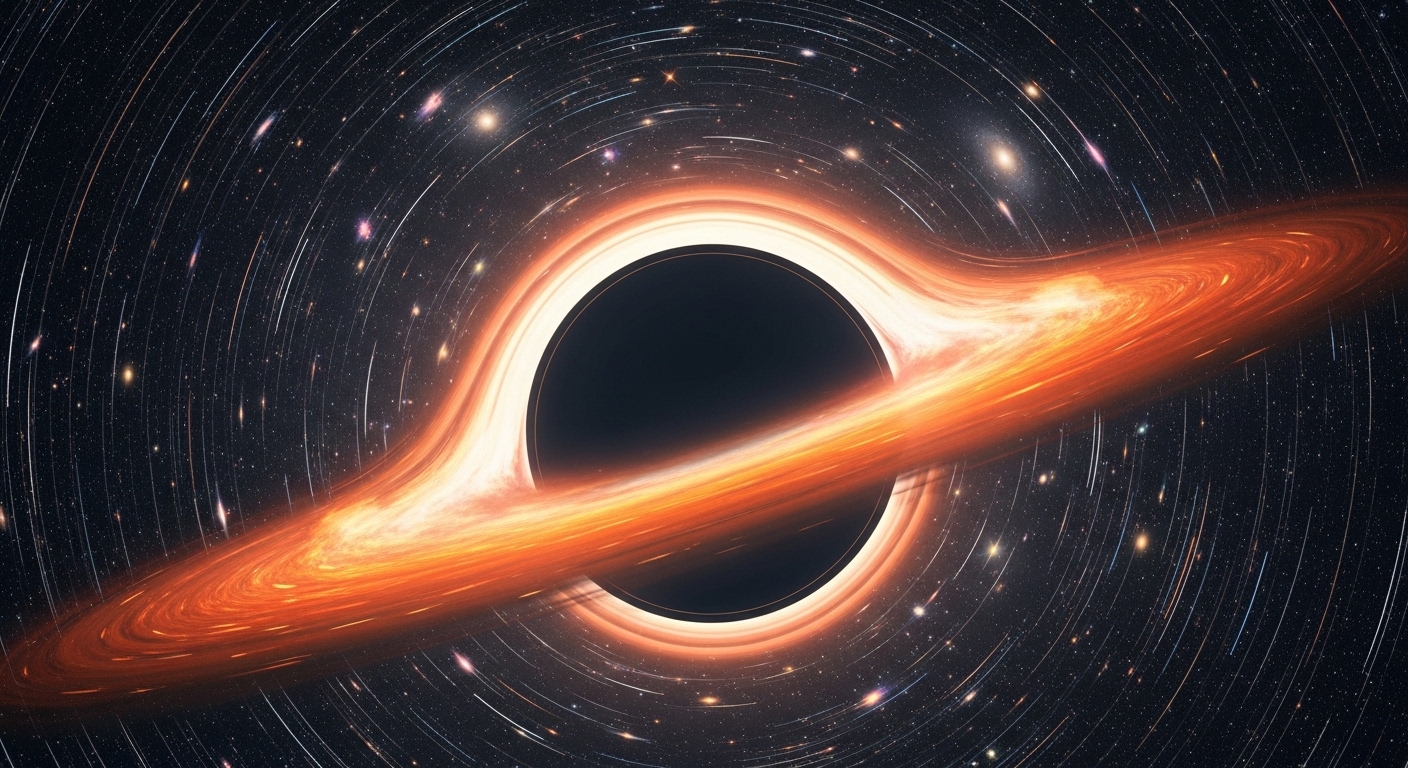
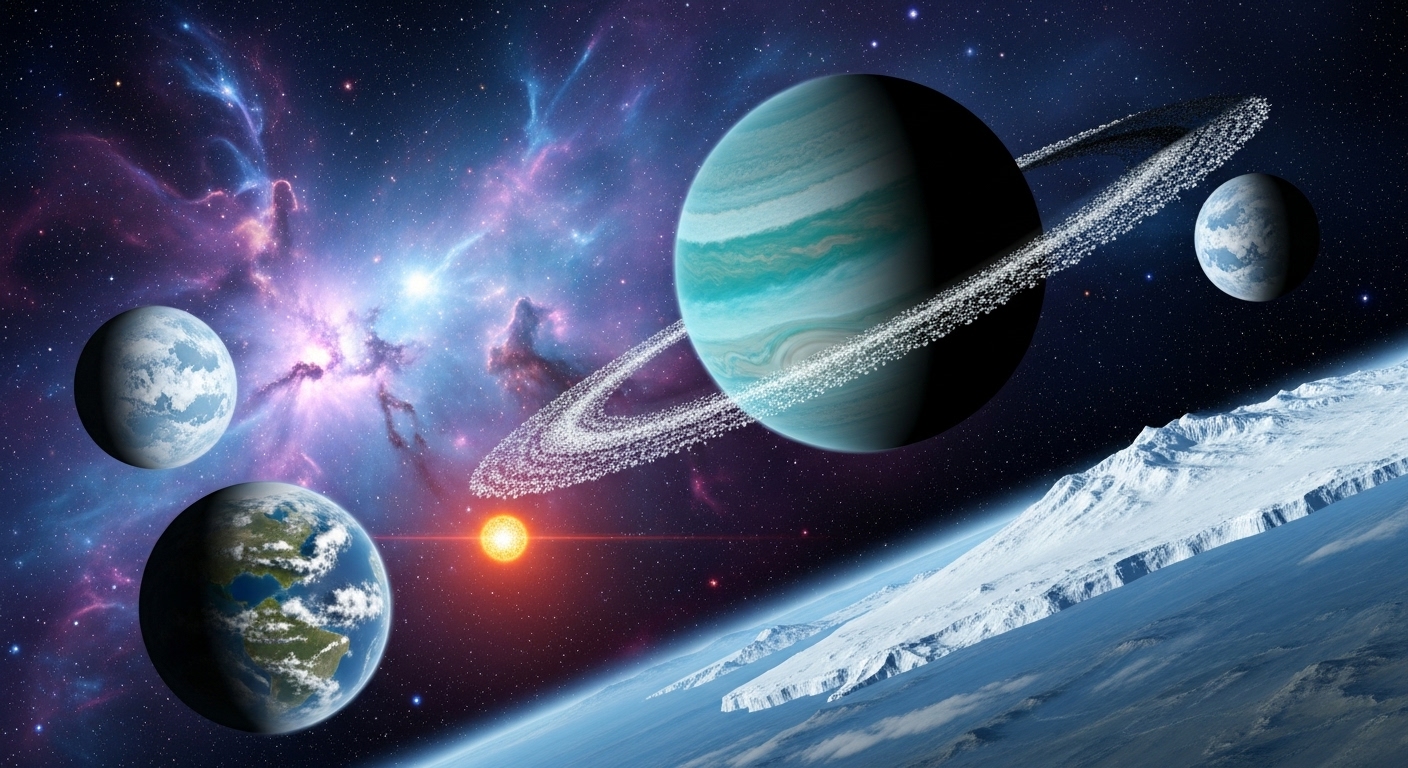
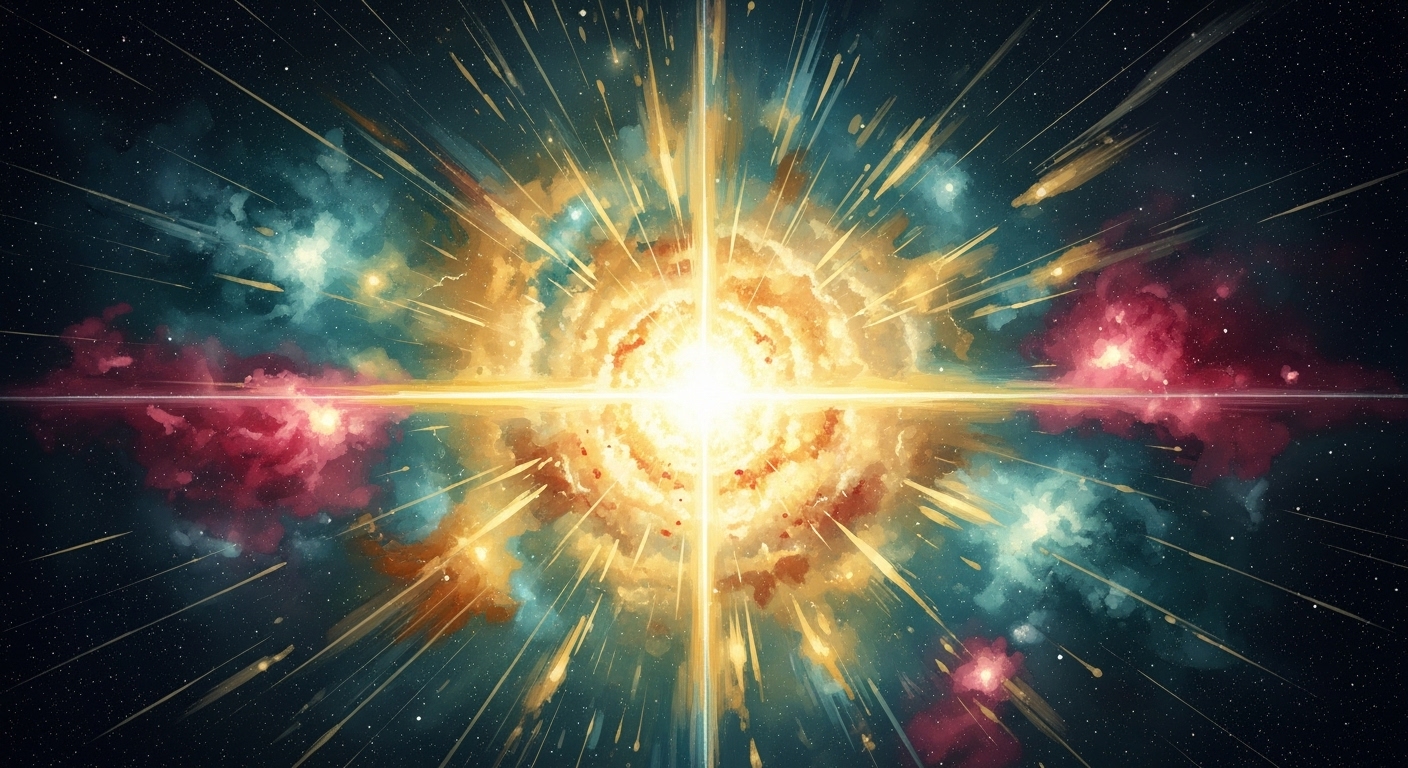
Use Cases & Tips
Mastering the Cosmos: Use Cases for Astrophotography AI Art Prompts
Creating stunning AI generated space imagery is now more accessible than ever. Whether you’re a digital artist, a sci-fi author, or a space enthusiast, these prompts can unlock a universe of creativity. Here’s how to make the most of them:
- Digital Art & Concept Design: Use these galaxy art prompts to quickly generate backgrounds for sci-fi scenes, concept art for games, or standalone pieces of celestial art. This is a fantastic way to visualize complex AI art prompts for cosmic scenes.
- Educational Content: Generate visually stunning representations of astronomical phenomena like supernovae, black holes, and planetary nebulae for presentations, articles, or social media content. A good nebula generator prompt can bring complex concepts to life.
- Personalized Wall Art: Create unique, high-resolution images of your favorite cosmic wonders. Imagine a custom, photorealistic print of the Orion Nebula hanging in your living room.
Tips for Creating Photorealistic Space AI Art
- Specify Camera & Lens Details: Mentioning terms like ‘shot on Hasselblad’, ‘telephoto lens’, ‘f/1.8’, or ‘long exposure’ pushes the AI towards a more realistic photographic style. This is key for achieving photorealistic space AI art.
- Use Descriptive Colors: Instead of just ‘blue’, try ‘glowing cyan’, ‘deep magenta’, or ‘ethereal cosmic lilac’. This gives the AI more specific direction.
- Incorporate Dynamic Lighting: Keywords like ‘dramatic lighting’, ‘rim lighting from a distant star’, or ‘god rays piercing through cosmic dust’ add depth and realism. This is one of the best AI prompts for realistic galaxies.
- Leverage Platform-Specific Commands: For users creating Midjourney space prompts, remember to use parameters like `–style raw` for a more photographic output and `–ar` to control the aspect ratio for cinematic shots.
Frequently Asked Questions
Ans. To create nebula art, use descriptive keywords in your prompt. Specify the type of nebula (e.g., 'planetary nebula', 'emission nebula'), desired colors ('glowing magenta', 'cyan gas'), and lighting ('backlit by a star cluster'). Using a powerful AI nebula generator with terms like 'cosmic dust' and 'Hubble Space Telescope' will yield excellent results.
Ans. For the best AI prompts for realistic galaxies, be specific. Name the galaxy type ('spiral galaxy', 'elliptical galaxy'), mention key features like 'glowing core' and 'clear dust lanes', and include photographic terms like 'long exposure astrophotography' and '8K resolution'. This helps the AI understand you want photorealism, not abstract art.
Ans. Yes, absolutely. These prompts are highly effective as Midjourney space prompts. For best results in Midjourney, consider adding parameters like `--style raw` for a less opinionated, more photographic look, and `--ar` (e.g., `--ar 16:9`) to set your desired aspect ratio.
Ans. Key terms for detailed AI art prompts for cosmic scenes include 'ultra-detailed', '8K resolution', 'tack-sharp focus', 'intricate details', and 'cosmic dust'. Also, referencing professional equipment like 'James Webb Space Telescope' or 'Hasselblad camera' can significantly increase the level of detail in the AI generated space image.
Ans. To get a photorealistic space AI art style, focus on emulating real photography. Use terms like 'photorealistic', 'astrophotography', 'long exposure', and specify camera settings like 'f/2.8 aperture'. Mentioning light effects such as 'lens flare' or 'dramatic cosmic lighting' also grounds the image in reality.
Ans. While AI art generators are not scientific simulators, you can guide them toward more plausible results. Use keywords like 'scientific realism', 'astronomically accurate', and reference real celestial objects and phenomena. The AI will use its training data from real photos to create a visually convincing and often breathtaking piece of celestial art.