
Cubism Art Prompts: Generate Abstract Paintings Like Picasso
Modern prompt pattern • responsive assets • ready-to-copy

Prompt Template
Cubism style abstract painting of [Subject], [Action/Pose], fragmented geometric shapes, multiple viewpoints, [Dominant Colors], style of [Famous Cubist Artist e.g., Picasso, Braque], [Texture/Medium e.g., oil on canvas, collage elements], [Lighting], high detail.
Examples
Prompt
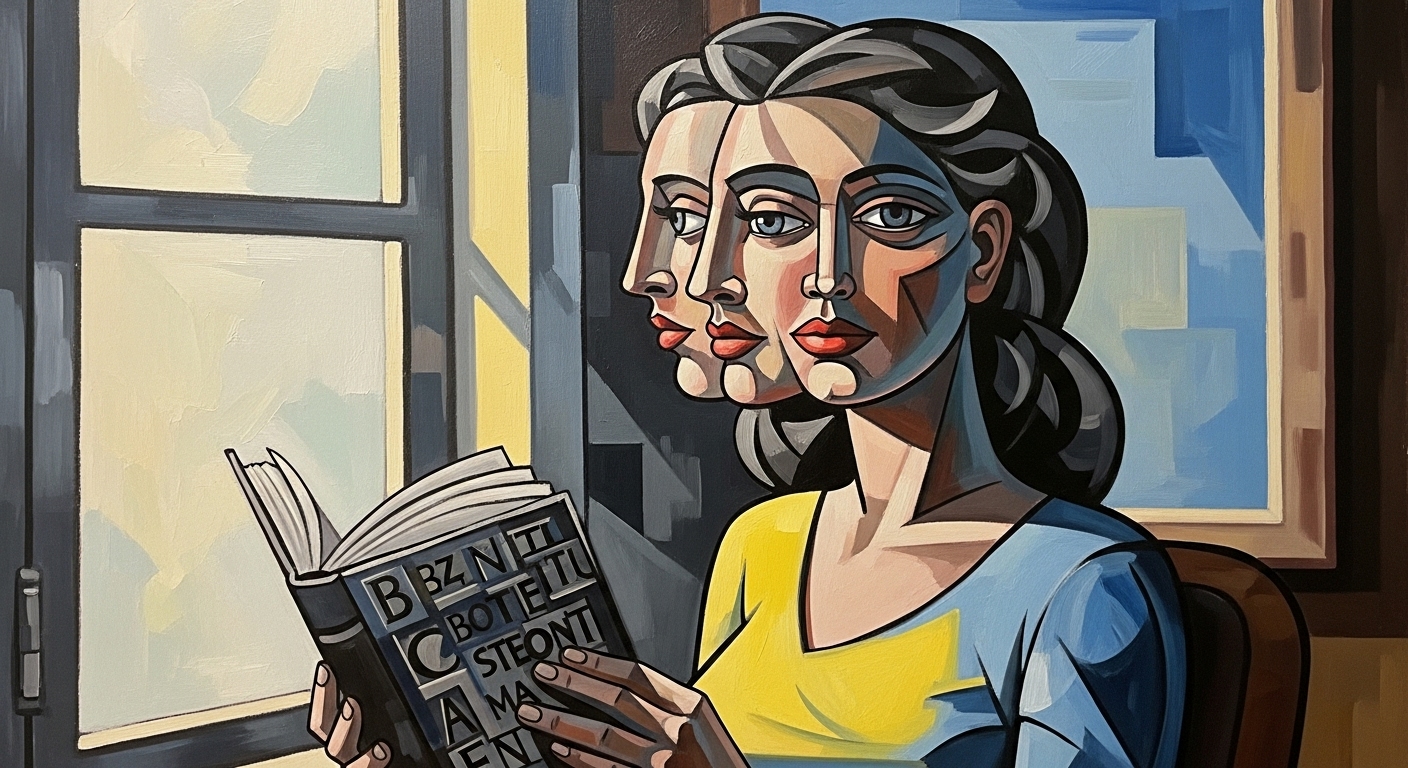
A cubist portrait of a woman reading a book by a window, her face shown from both profile and frontal views simultaneously. The scene is fractured into geometric planes of blues, yellows, and grays. The style is reminiscent of early Picasso.
Prompt
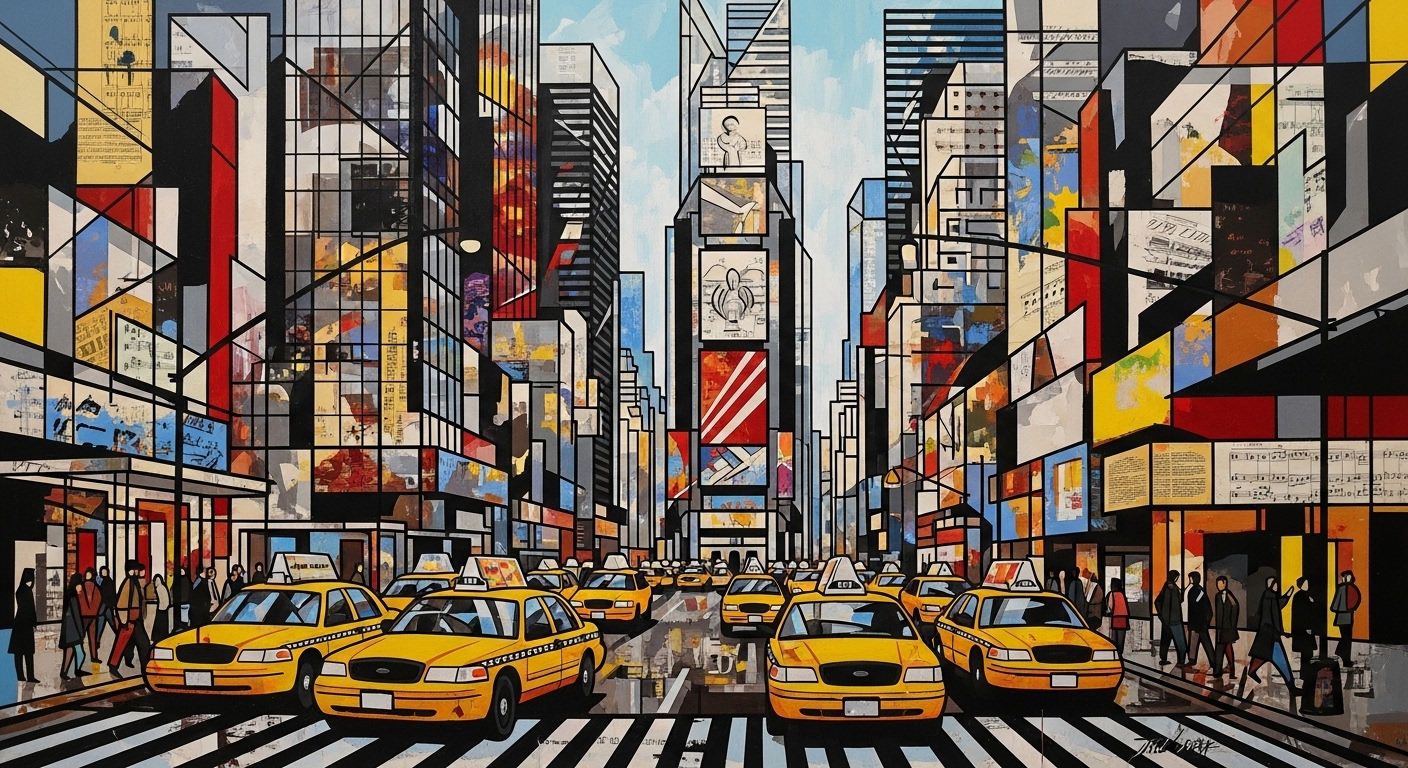
A vibrant and colorful cubist painting of a bustling New York City street. Skyscrapers are deconstructed into sharp, overlapping angles and shapes. Yellow taxi cabs are simplified into geometric forms. The style is synthetic cubism, incorporating collage-like textures and bold colors.
Prompt
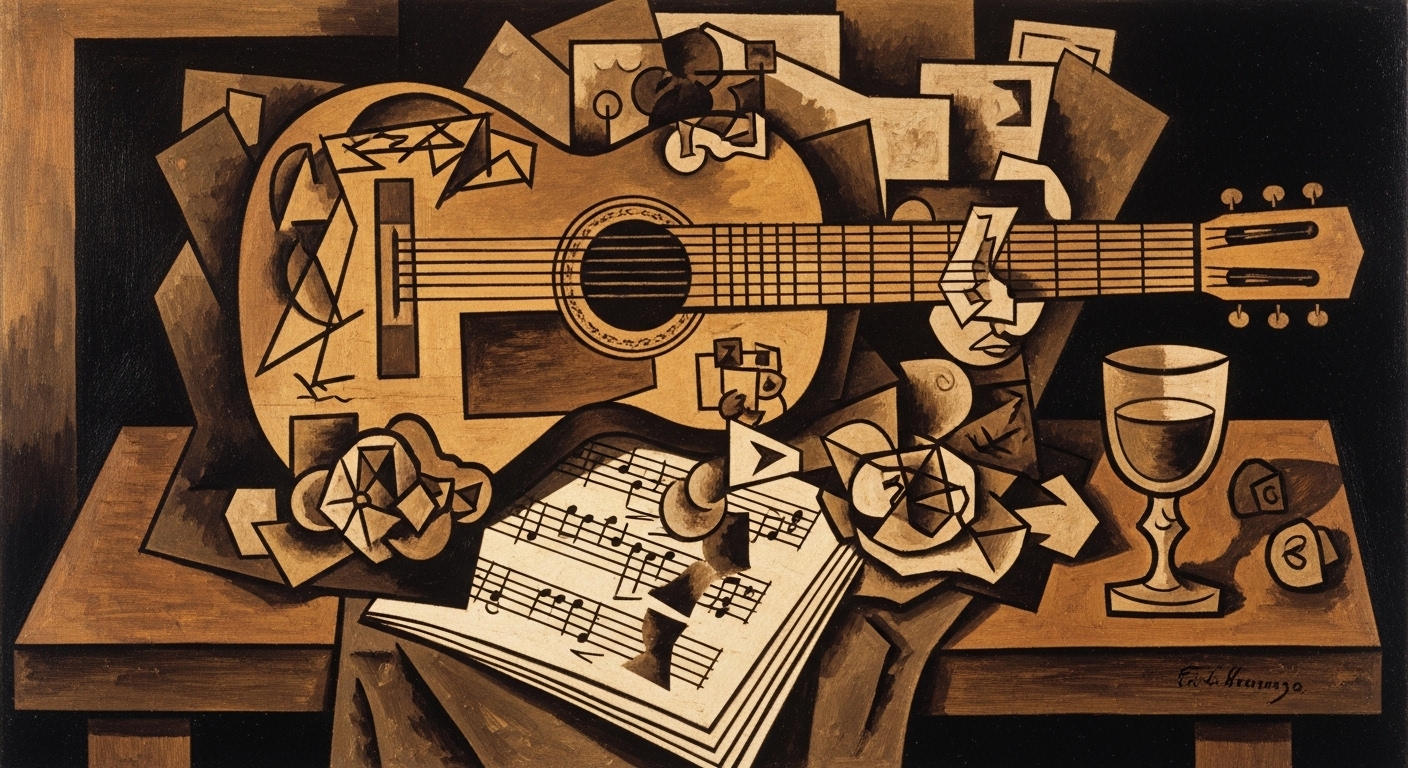
An analytical cubism still life of a guitar, a sheet of music, and a glass of wine on a wooden table. The composition is highly abstract, with objects broken down into fundamental shapes. The color palette is muted, using only shades of brown, ochre, and black.
Prompt
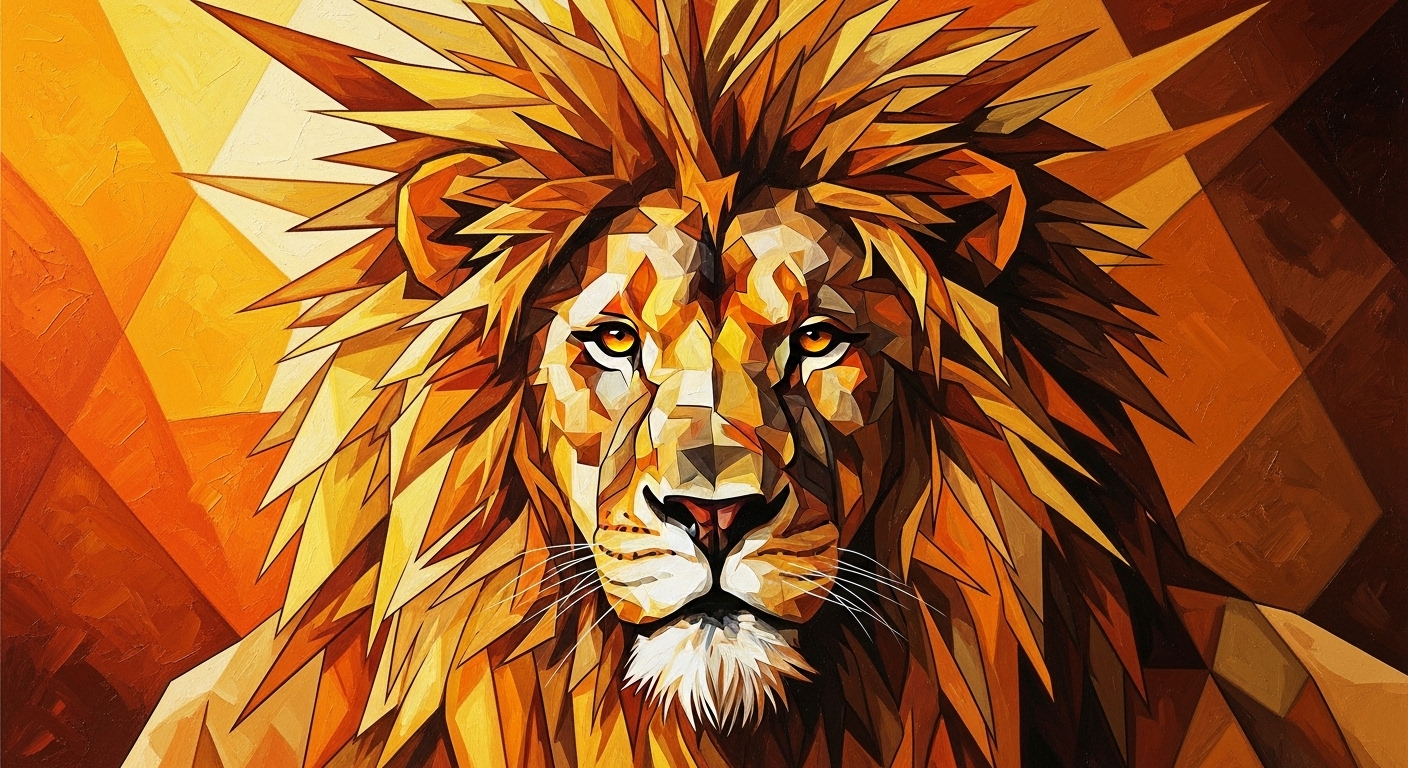
A cubist interpretation of a majestic lion's head. The mane is an explosion of geometric shards and planes, and its face is shown from several angles, conveying both ferocity and nobility. The background is a simple, textured gradient of warm earth tones.
Prompt
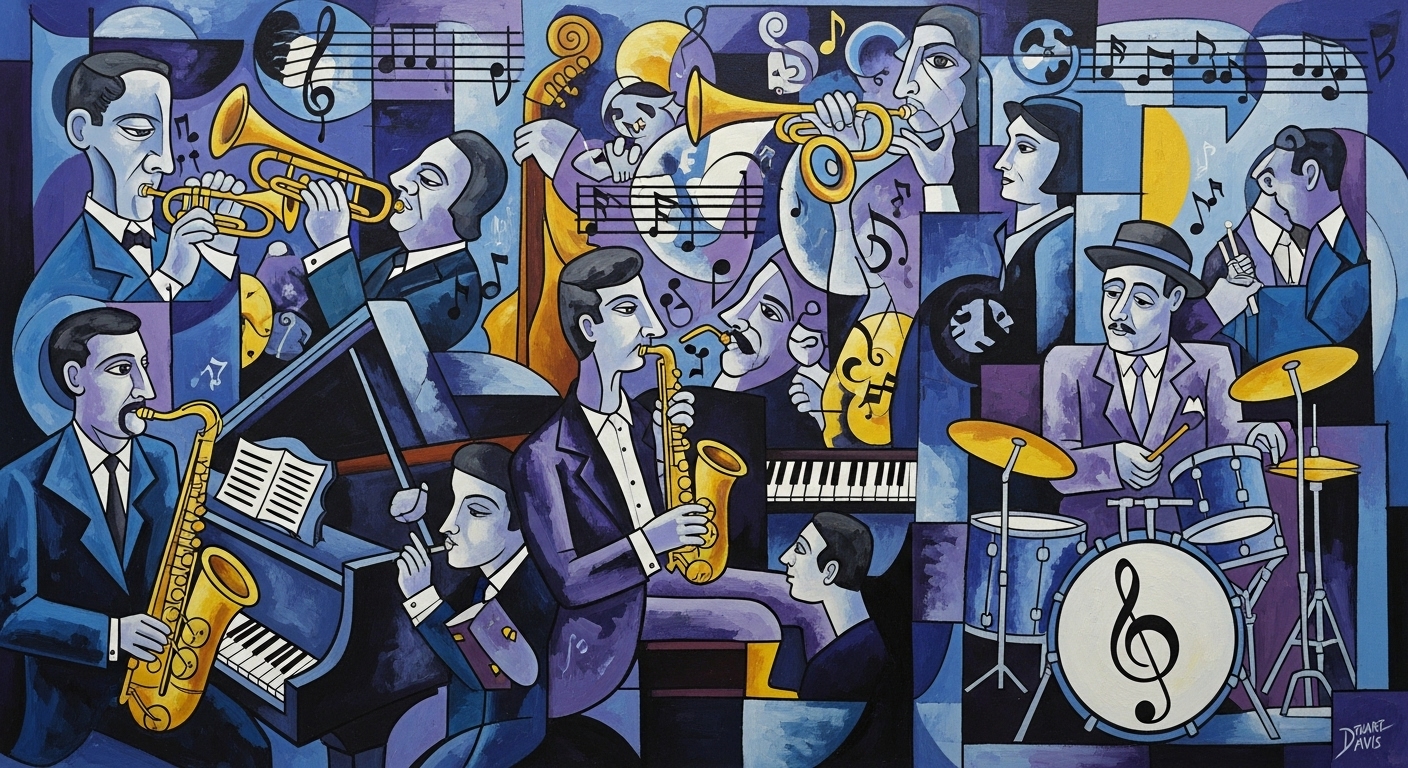
An abstract cubist depiction of a jazz club scene. Musicians and their instruments are fragmented and interwoven with musical notes and abstract shapes. The colors are deep blues and purples, with flashes of gold and white to represent the lively music and lights.
Use Cases & Tips
Mastering Cubism with AI
Cubism was a revolutionary art movement, and now you can explore its depths using AI. Our cubism art prompts are designed to help you generate unique pieces that capture the essence of this influential style. Whether you’re a digital artist, a designer, or simply a fan of modern art, these prompts offer a gateway to creating complex and visually stunning images.
How to Create Cubism Art with AI
- Portraits and Figures: Use our geometric art prompts to deconstruct the human form. The goal is to show the subject from multiple angles at once, a hallmark of abstract cubism. These are some of the best AI prompts for geometric portraits you can find.
- Still Life Compositions: Recreate classic cubist subjects like guitars, bottles, and fruit. Experiment with textures and overlapping planes to create a dynamic composition reminiscent of Picasso style art.
- Cityscapes and Landscapes: Apply cubist principles to architecture and nature. Fragment buildings and landscapes into geometric forms to create a unique and energetic AI cubist painting.
- Exploring Different Styles: Learn the difference between synthetic cubism vs analytical cubism prompts. Use muted, earthy tones for an analytical feel, or incorporate vibrant colors and collage-like textures for a synthetic approach. Any powerful modern art generator can handle these nuances.
Tips for Better Results
- Mention Specific Artists: Including names like ‘Pablo Picasso’, ‘Georges Braque’, or ‘Juan Gris’ will heavily influence the AI’s output.
- Control the Palette: Specify a color scheme, such as ‘monochromatic browns and grays’ for Analytical Cubism or ‘vibrant primary colors’ for a later style.
- Combine with Other Styles: Don’t be afraid to mix cubism with other movements. Try adding elements of surrealism or futurism for truly unique results. We have plenty of Midjourney cubism prompt examples to inspire you.
Frequently Asked Questions
Ans. Simply copy the prompt template or one of the examples and paste it into your preferred AI modern art generator like Midjourney or Stable Diffusion. Customize the bracketed sections like [Subject] and [Dominant Colors] to guide the AI toward your specific vision for an AI cubist painting.
Ans. Yes, absolutely. To generate Picasso style art, explicitly mention 'style of Picasso' or 'style of early Picasso' in your prompt. This will instruct the AI to mimic his iconic techniques, such as fragmented perspectives and distinct color palettes.
Ans. For Analytical Cubism, use prompts with terms like 'monochromatic,' 'earthy tones,' 'browns and grays,' and 'highly fragmented.' For Synthetic Cubism, use keywords like 'vibrant colors,' 'collage elements,' 'textured paper,' and 'simpler shapes' to get a bolder, more colorful result.
Ans. The best AI prompts for geometric portraits in a cubist style involve describing multiple viewpoints. Use phrases like 'face shown from profile and frontal view simultaneously' or 'deconstructed into geometric planes.' These instructions are key to achieving that classic cubist look.
Ans. All the examples provided on this page work exceptionally well as Midjourney cubism prompt examples. Midjourney is particularly good at interpreting artistic styles, so using phrases like 'in the style of Georges Braque' or specifying 'analytical cubism' will yield high-quality, authentic results.
Ans. You can control the colors by being very specific in your prompt. Use the [Dominant Colors] part of our template to list your desired colors, for example, 'dominant colors of deep blues, ochre, and crimson.' You can also describe a mood, like 'a somber, monochromatic palette' to influence the color scheme.