
Human Veins Orchid Petals: AI Prompts for Surreal Botanical Art
Modern prompt pattern • responsive assets • ready-to-copy
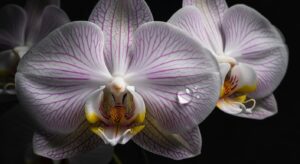
Prompt Template
A hyper-detailed macro photograph of a [Orchid Type] orchid. Its [Petal Color] petals are semi-translucent, revealing a delicate, intricate network of [Vein Color] human veins. The flower is set against a [Background Style] background, with [Lighting Style] highlighting the bio-organic textures. Style of [Artist/Genre]. --ar 16:9
Examples
Prompt
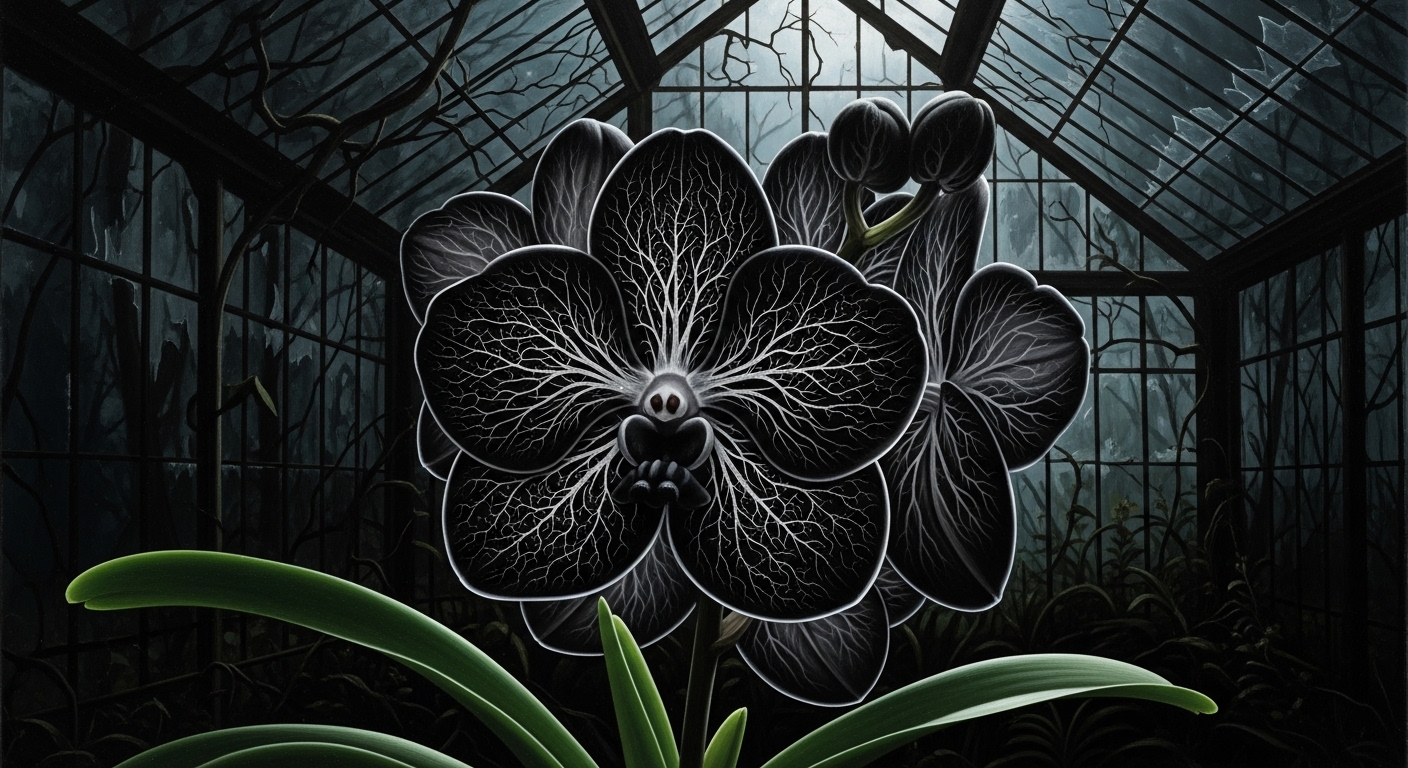
A moody, gothic oil painting of a black Vanda orchid. Its dark, velvety petals are traced with a network of silver, shimmering human veins. The flower is illuminated by a single ray of moonlight in a dark, forgotten Victorian greenhouse. Style of Zdzisław Beksiński, chiaroscuro lighting, high contrast, unsettling beauty.
Prompt
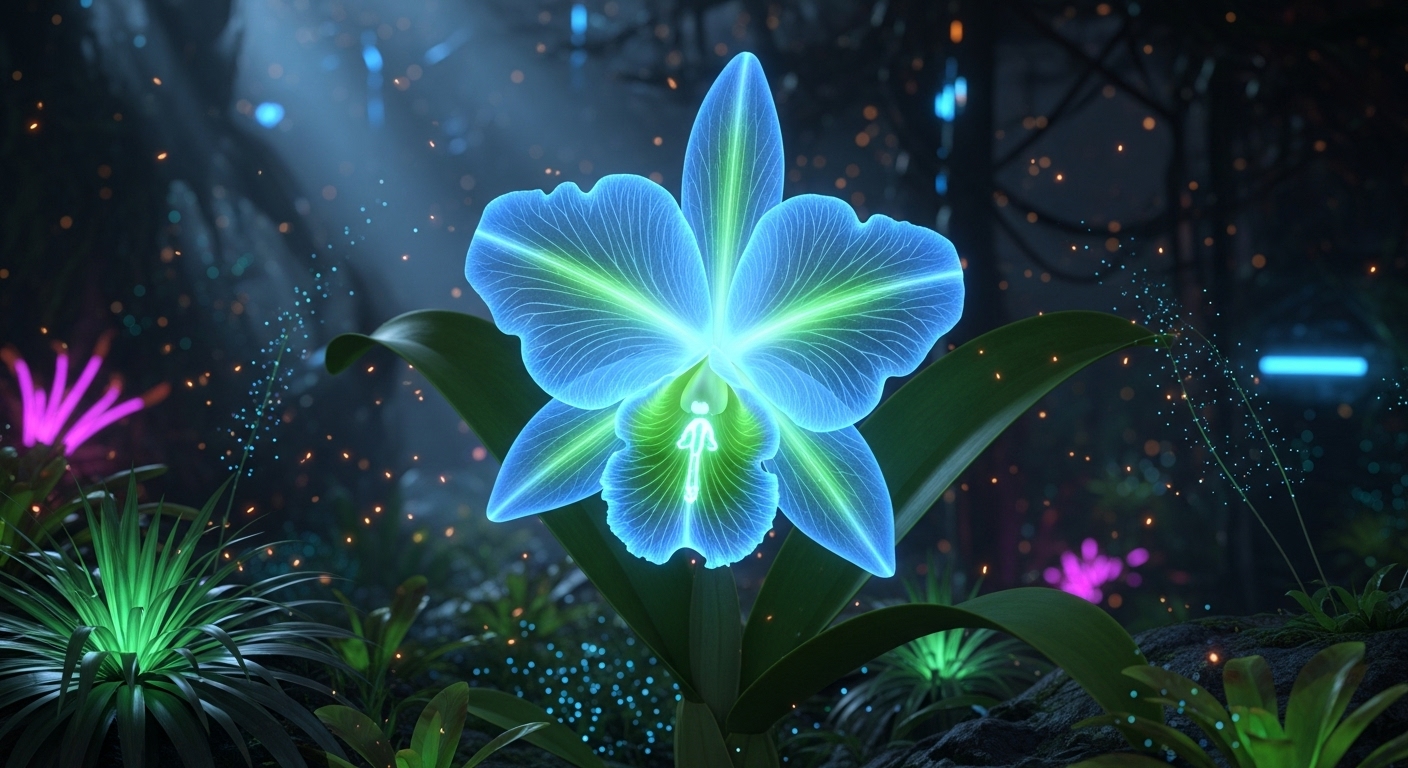
Bioluminescent Cattleya orchid in a futuristic alien jungle at night. The petals are a translucent neon blue, revealing a complex system of glowing green human veins pulsing with energy. The air is filled with glowing spores and exotic flora. Cyberpunk aesthetic, cinematic, Unreal Engine 5 render, volumetric lighting.
Prompt
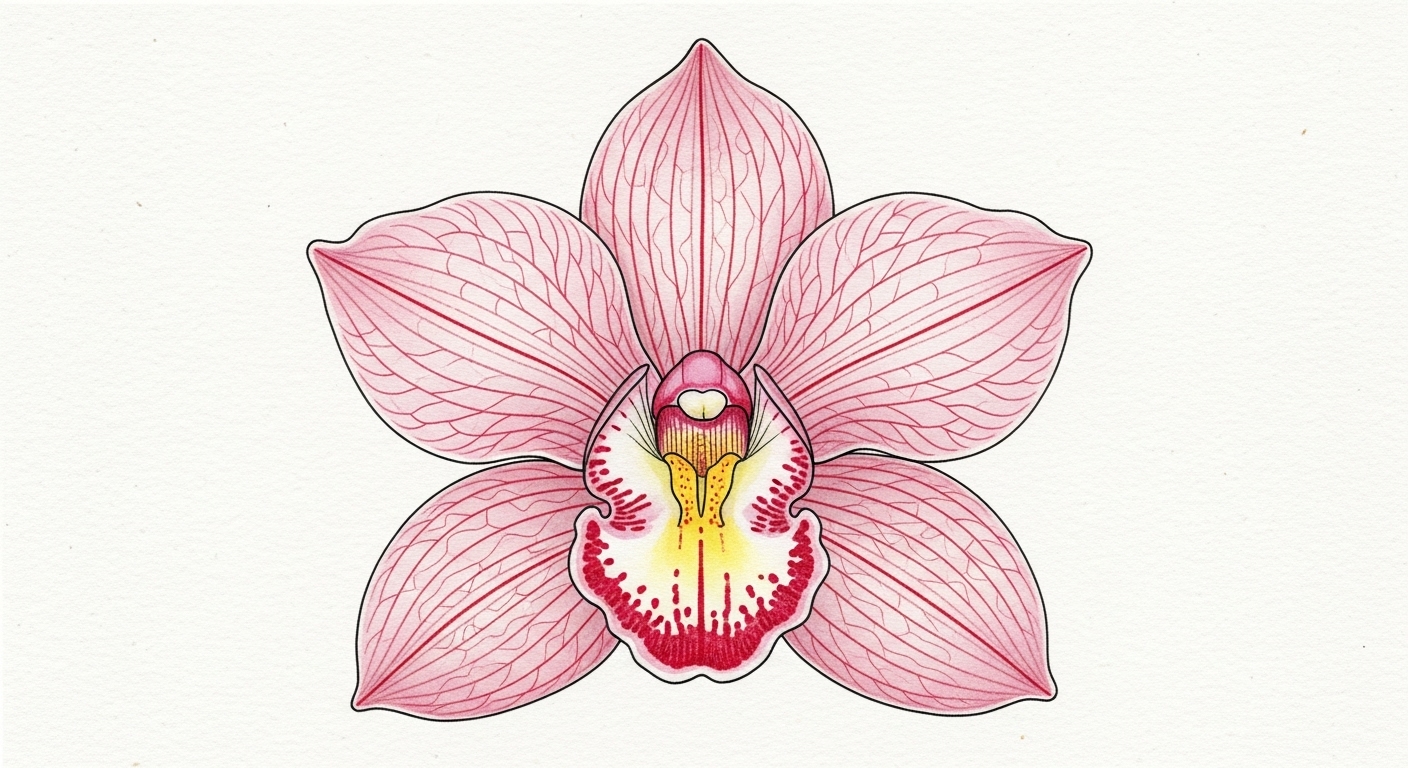
A delicate watercolor and ink illustration of a pink Cymbidium orchid. The soft pink petals are subtly detailed with fine red human veins, like an anatomical sketch. The background is a simple, clean white paper texture. Style of a botanical illustrator like Maria Sibylla Merian, scientific illustration, minimalist, elegant.
Prompt
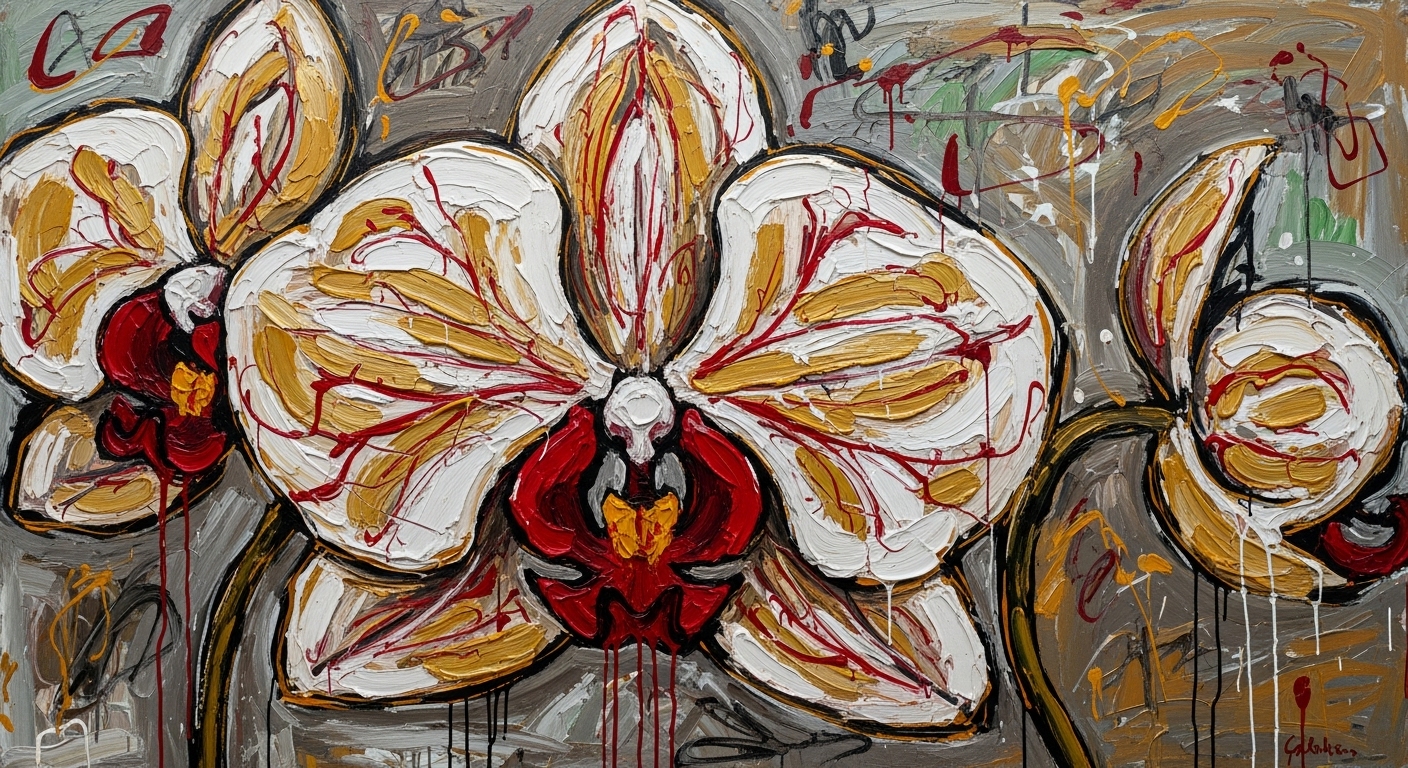
An abstract, expressive painting of an orchid's essence. Bold, chaotic brushstrokes of white and gold suggest the shape of the petals, while frantic, thin red lines slash across the canvas, representing the human veins. The texture is thick with impasto. Abstract expressionism, style of Cy Twombly, high energy, emotional.
Prompt
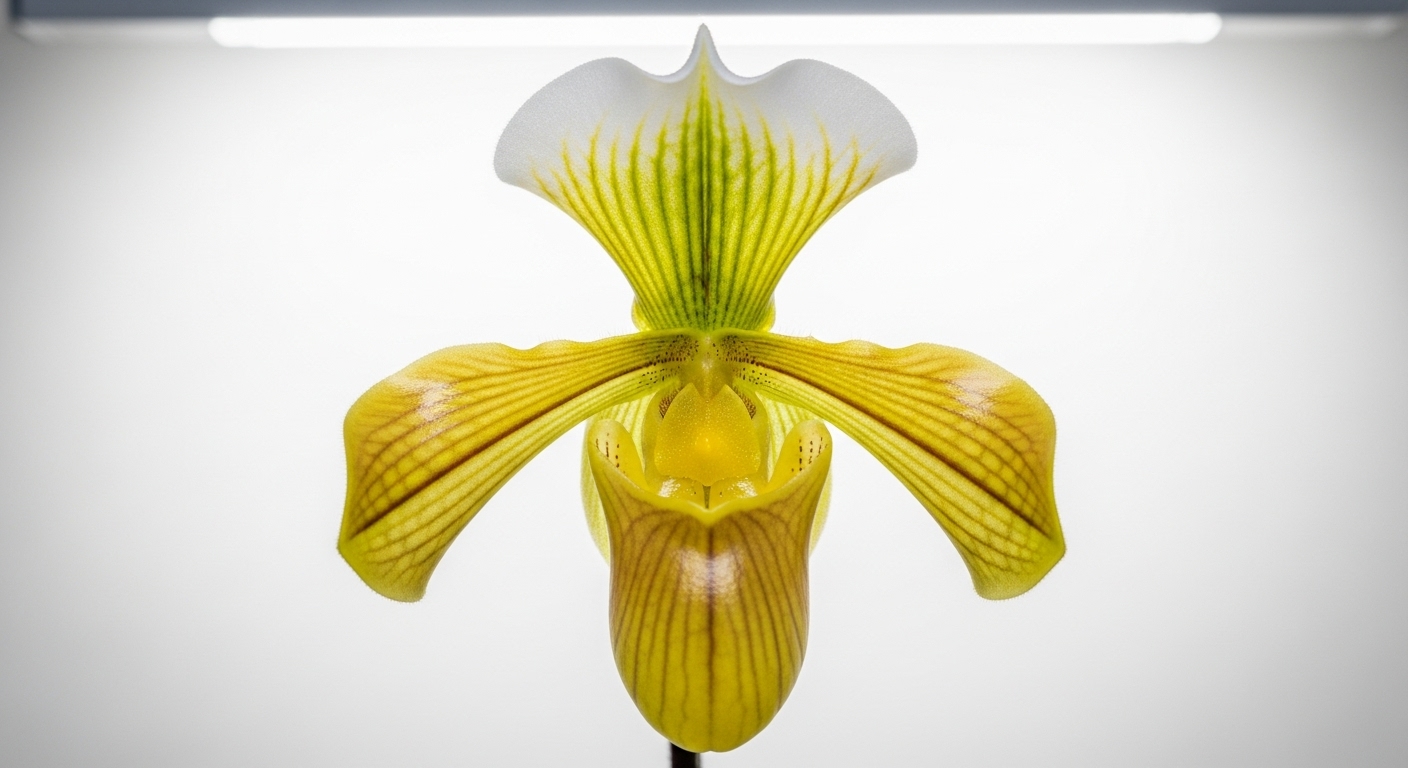
Hyperrealistic macro photograph of a yellow Paphiopedilum (slipper) orchid. The waxy, yellow petals have a disturbingly realistic, skin-like texture, with subtle blue human veins visible just beneath the surface. The setting is a sterile, white laboratory environment with clinical lighting. Photorealistic, 4K, detailed texture, unsettling realism.
Use Cases & Tips
Creating Unsettling Beauty with Macabre Floral Design
The concept of human veins orchid petals blends the beautiful with the unsettling, forming the core of macabre floral design. This style is perfect for artists and creators looking to evoke strong emotions and challenge conventional aesthetics. Use these prompts for:
- Album covers for gothic, metal, or experimental music.
- Book covers for horror, sci-fi, or dark fantasy novels.
- Creating unique digital art prints that explore themes of life, decay, and the uncanny.
- Developing compelling visuals for a personal art project centered on eerie botanical art ideas.
Exploring Bio-Organic Art and Textures
These prompts excel at generating complex, detailed surfaces. If you’re looking for an AI prompt for flowers with skin texture, this is the perfect starting point. By adjusting descriptions, you can push the boundaries of bio-organic art. Consider these applications:
- Conceptual art for video games or films featuring alien flora or mutated lifeforms.
- Generating a unique organic texture prompt for 3D modeling and digital sculpting references.
- Experimenting with the fusion of anatomy and botany for a truly unique artistic portfolio.
Mastering Anatomical Flower Illustration
For those wondering how to create art with human veins on petals, the key is in the specific language used. Our prompts provide a solid foundation. You can adapt a specific Midjourney prompt for orchid with human veins to create a detailed anatomical flower illustration by emphasizing terms like ‘vascular system,’ ‘capillaries,’ and ‘translucent membrane.’ This approach is ideal for creating thought-provoking pieces that blur the line between scientific illustration and surrealism, making for a powerful surreal flower art with veins prompt.
Frequently Asked Questions
Ans. To create art with human veins on orchid petals, use descriptive prompts that specify the flower type, petal characteristics (like 'translucent' or 'semi-transparent'), and the appearance of the veins ('pulsating crimson veins,' 'delicate blue capillaries'). Combining these elements with a specific artistic style (e.g., 'macro photography,' 'oil painting') will guide the AI to generate the desired image.
Ans. For a flower with skin texture, use keywords like 'skin-like texture,' 'fleshy petals,' 'translucent membrane,' and 'subdermal'. An effective prompt would be: 'Extreme close-up of a magnolia flower, its petals have a soft, fleshy, human skin-like texture with subtle pores and nearly invisible capillaries, hyperrealistic, unsettling.' This creates a powerful piece of bio-organic art.
Ans. Absolutely. The core concept is highly adaptable. You can replace 'orchid' with any other plant, like a 'rose with a central eye' or 'leaves made of insect wings.' The key to surreal botany art is fusing unexpected biological elements. Experiment by swapping 'human veins' for 'circuit board patterns' or 'liquid chrome' to explore different surreal themes.
Ans. Beyond veined petals, you can explore many eerie botanical art ideas. Try prompting for: flowers that grow from discarded technology, carnivorous plants that mimic human faces, trees with bark that looks like peeling skin, or a garden where the flowers are made of bone and crystal. The goal is to subvert the viewer's expectations of nature.
Ans. To make a Midjourney prompt for an orchid with human veins more effective, use specific parameters and detailed descriptions. Start with a clear subject like '/imagine prompt: hyperrealistic macro photo of a white orchid with crimson human veins'. Then, add style cues ('--style raw'), aspect ratio ('--ar 16:9'), and quality/chaos parameters ('--q 2 --c 10') to refine the output and get a more unique and high-quality anatomical flower illustration.