Hyper Realistic Glass World: Master the Art of Translucent AI Design
A hyper realistic glass world featuring [SUBJECT], composed entirely of translucent and transparent glass, intricate internal reflections, prismatic light refraction, caustic light patterns on the surface, 8k resolution, cinematic lighting, octane render style.
Examples
A few example prompts to help you see how this prompt can be used.
Prompt Example
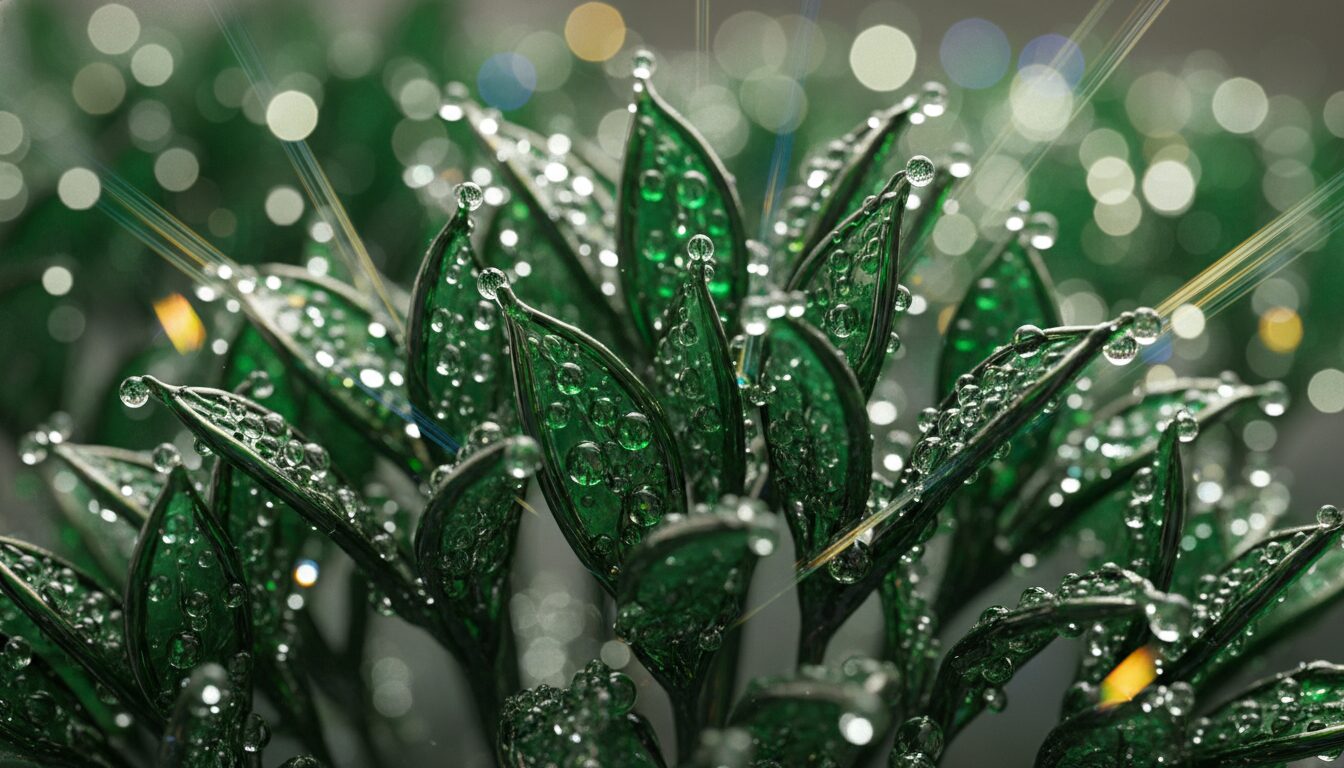
A macro shot of a hyper realistic glass forest, every leaf is a thin sheet of transparent emerald glass with delicate veins, morning dew drops made of liquid diamond, soft bokeh background.
Prompt Example
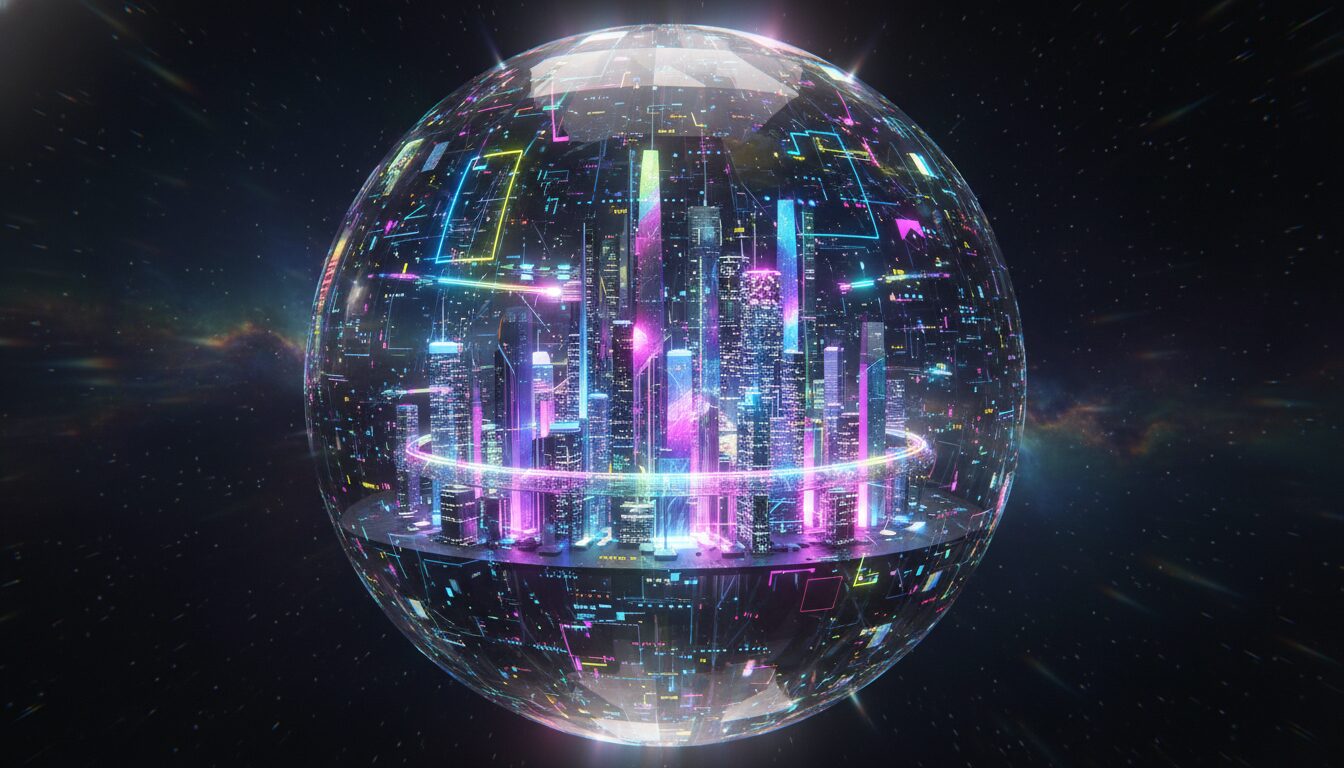
A sprawling hyper-realistic glass city inside a giant crystal sphere, floating in a void, internal neon lights reflecting through the glass skyscrapers, prismatic effects.
Prompt Example
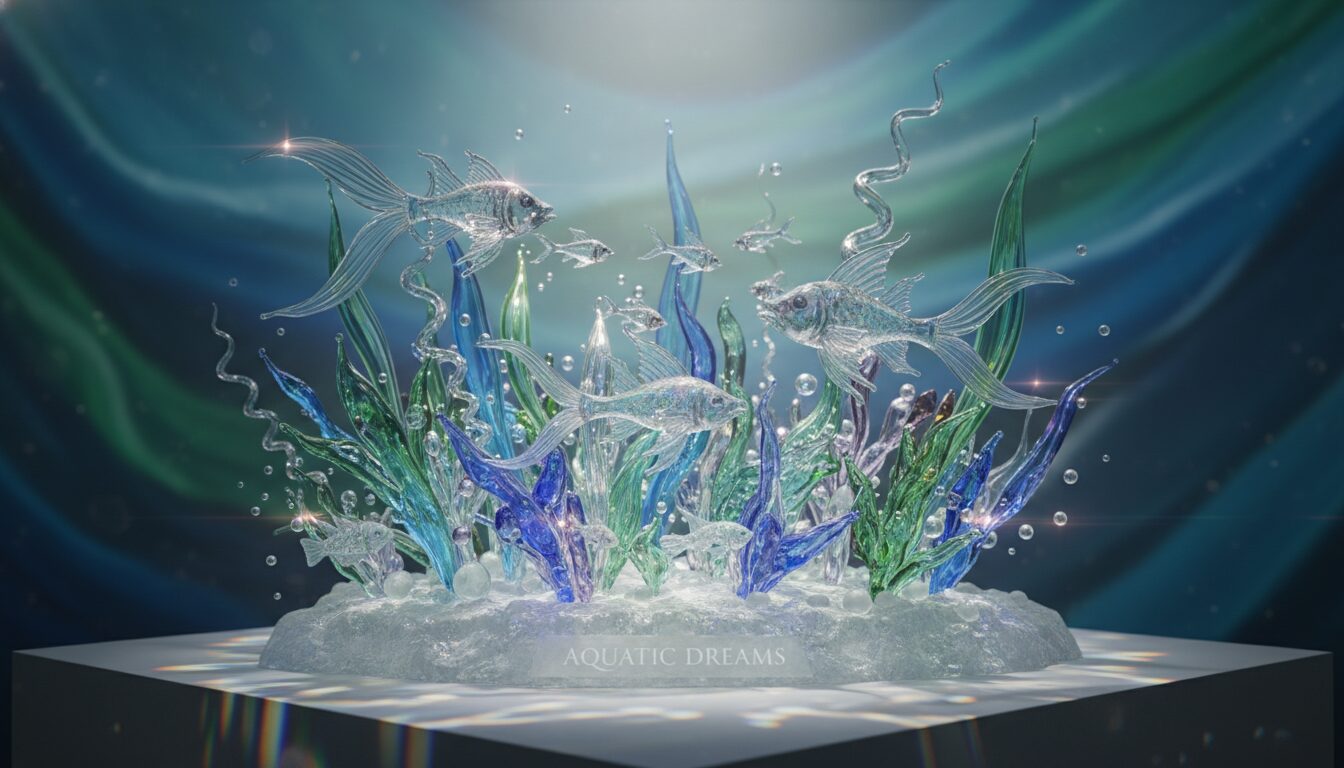
An underwater hyper realistic glass world where coral reefs are made of blown glass and fish are translucent crystalline structures, light filtering through the water surface creating caustics.
Prompt Example
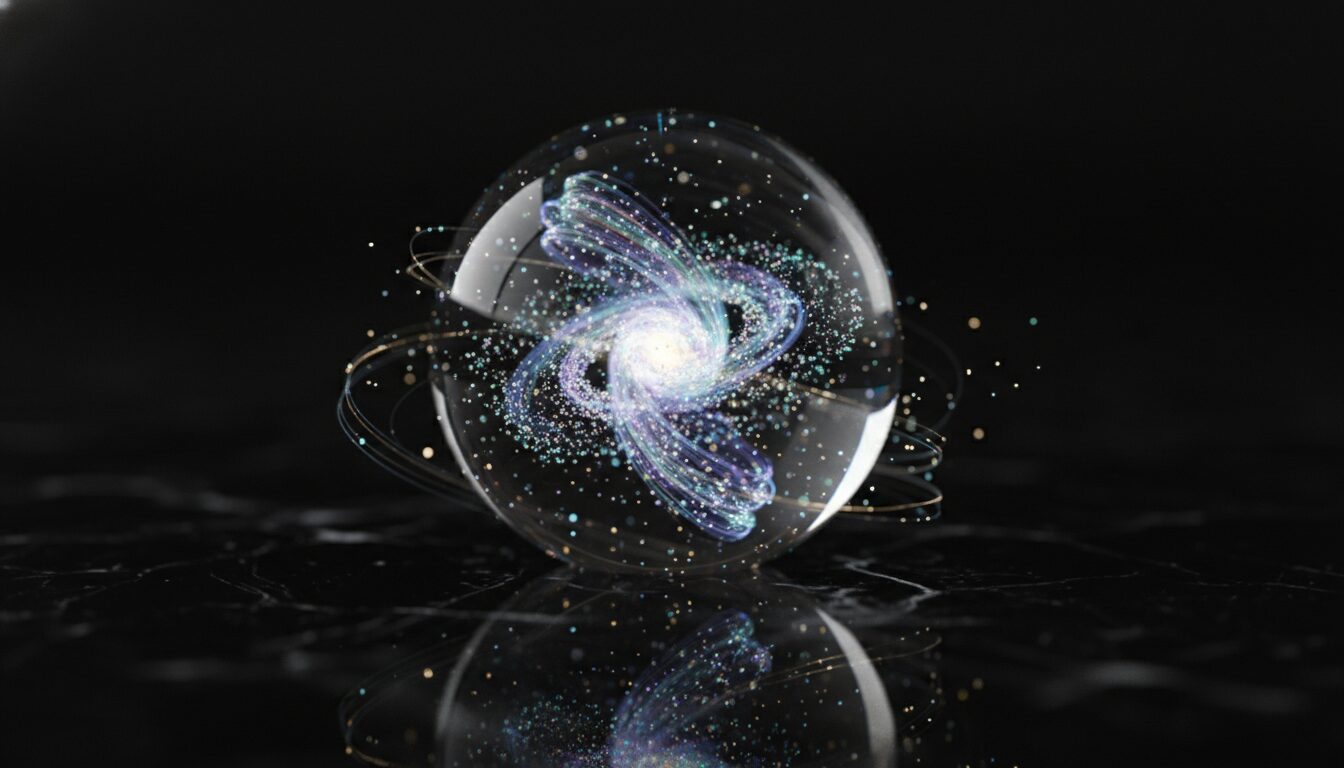
A hyper-realistic glass sphere environment sitting on a black reflective surface, containing a miniature galaxy made of glowing glass dust and swirling crystal nebulas.
Prompt Example
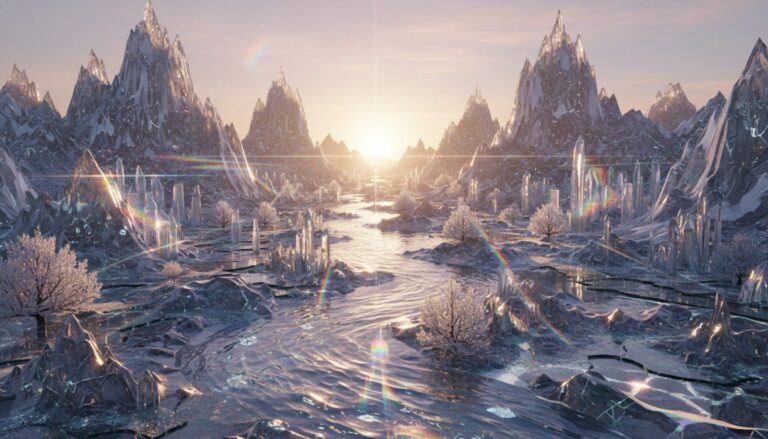
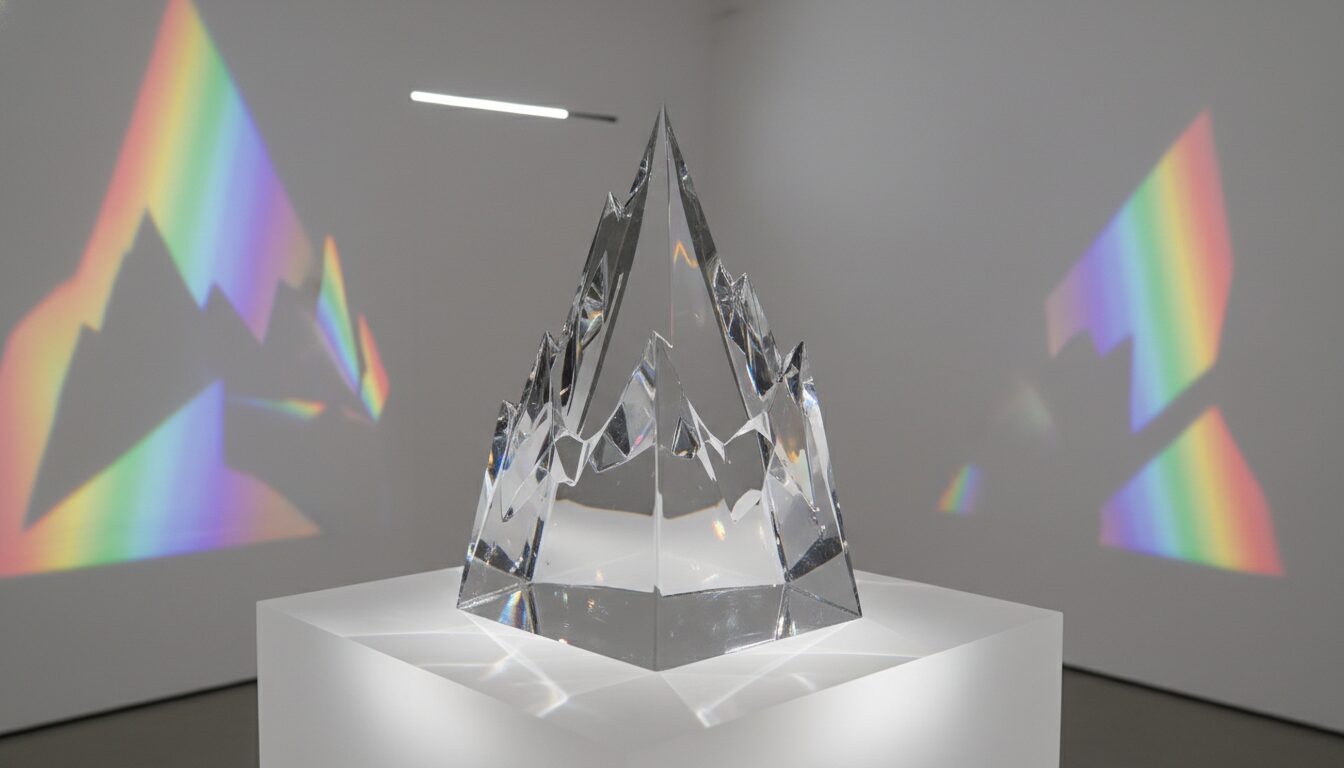
Minimalist glass sculpture of a mountain range, hyper realistic textures, sharp edges, light passing through to create a spectrum of colors on the ground.
Prompt Overview
A quick summary to help you understand what this prompt is designed to do.
A hyper realistic glass world is a digital art concept focusing on intricate transparency, light refraction, and caustic patterns. Using AI tools like Midjourney or DALL-E, creators use specific lighting and material parameters to simulate fragile, crystalline environments with high-fidelity detail and realistic optical physics.
What This Prompt Covers
A simple breakdown of the main ideas and details included in this prompt.
The Science of Crystalline Visuals
Achieving a hyper realistic glass world requires understanding the relationship between ray tracing and caustics. In AI generation, the software simulates how light passes through a translucent medium, creating complex refraction patterns. By specifying optical physics in your prompts, you bridge the gap between abstract glass sculpture and believable macro photography, ensuring every internal reflection feels grounded in reality.
Why This Prompt Works
Helpful notes on what makes this prompt clear, useful, and effective.
Optimizing for Different AI Engines
- Midjourney: Use the --v 6 parameter and include keywords like 'caustic lighting' and 'ray traced reflections' for maximum clarity.
- DALL-E 3: Focus on descriptive language like 'prismatic light dispersion' and 'layered transparency' to help the model understand depth.
- Stable Diffusion: Utilize specific LoRAs for 'glass' or 'crystal' and ensure 'subsurface scattering' is included in your positive prompt to avoid a plastic look.
Use Cases & Tips
Creative Applications for Glass Worlds
- Architectural Visualization: Design futuristic crystal cityscapes and reflective architecture using 3D glass art principles.
- Digital Product Design: Create macro glass photography backgrounds for luxury branding and product mockups.
- Concept Art: Develop translucent landscapes for sci-fi or fantasy world-building projects.
- Wall Art: Generate high-resolution prints of hyper-realistic glass sphere environments for modern interior decor.
Frequently Asked Questions
Q1. What is a hyper realistic glass world in AI art?
It is a generated environment where every element, from landscapes to buildings, is rendered with the physical properties of glass, including transparency, refraction, and realistic light behavior.
Q2. How do I get the best light refraction in glass prompts?
Use keywords like 'caustics', 'prismatic dispersion', and 'ray tracing' to tell the AI to calculate how light moves through the glass surfaces.
Q3. Which AI is best for creating 3D glass art?
Midjourney v6 is currently the leader for hyper-realistic textures, but DALL-E 3 is excellent for following complex instructions regarding glass environments.
Q4. Can I use these prompts for macro glass photography?
Yes, by adding 'macro lens', 'f/2.8', and 'shallow depth of field' to the prompt, you can simulate extreme close-up photography of glass objects.
Q5. How do I avoid my glass looking like plastic in AI images?
Include terms like 'high refractive index', 'optical glass', and 'internal reflections' to distinguish the material from matte plastics.
Q6. What are caustics in the context of glass worlds?
Caustics are the envelopes of light rays reflected or refracted by a curved surface, like the bright patterns you see at the bottom of a pool or behind a glass of water.
Q7. Are there specific artists to reference for glass world prompts?
Referencing Dale Chihuly for blown glass or Jack Storms for sculpted crystal can help the AI understand the desired artistic complexity.