
Knitted Toy Prompt: Crafting Cozy Yarn Textures in AI Art
Modern prompt pattern • responsive assets • ready-to-copy

Prompt Template
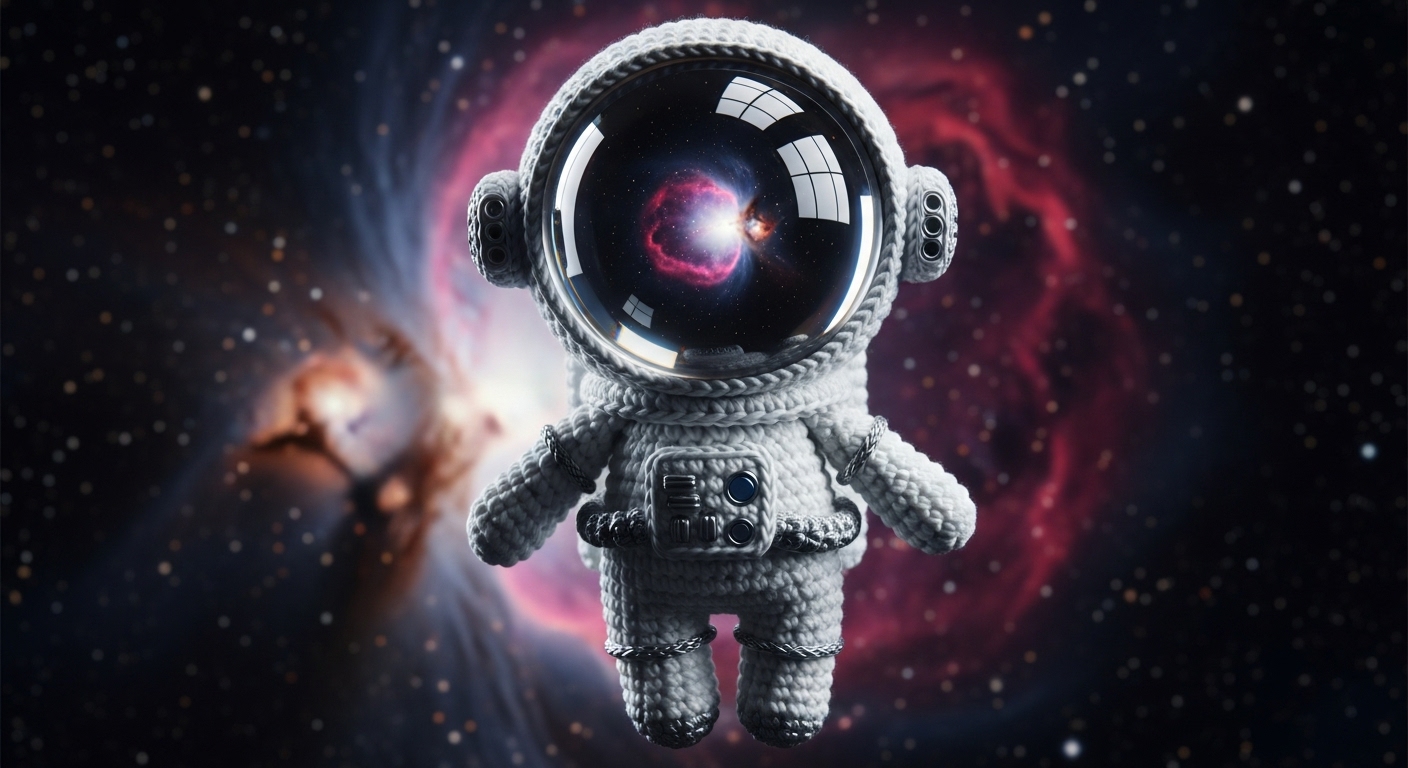
[Subject/Character], a charming knitted toy, detailed [Yarn Type] yarn texture, [Stitching Style] stitches, soft and fuzzy details, set in a [Setting/Background], [Lighting Style], photorealistic, macro photography, high detail, cozy aesthetic --ar [Aspect Ratio]
Examples
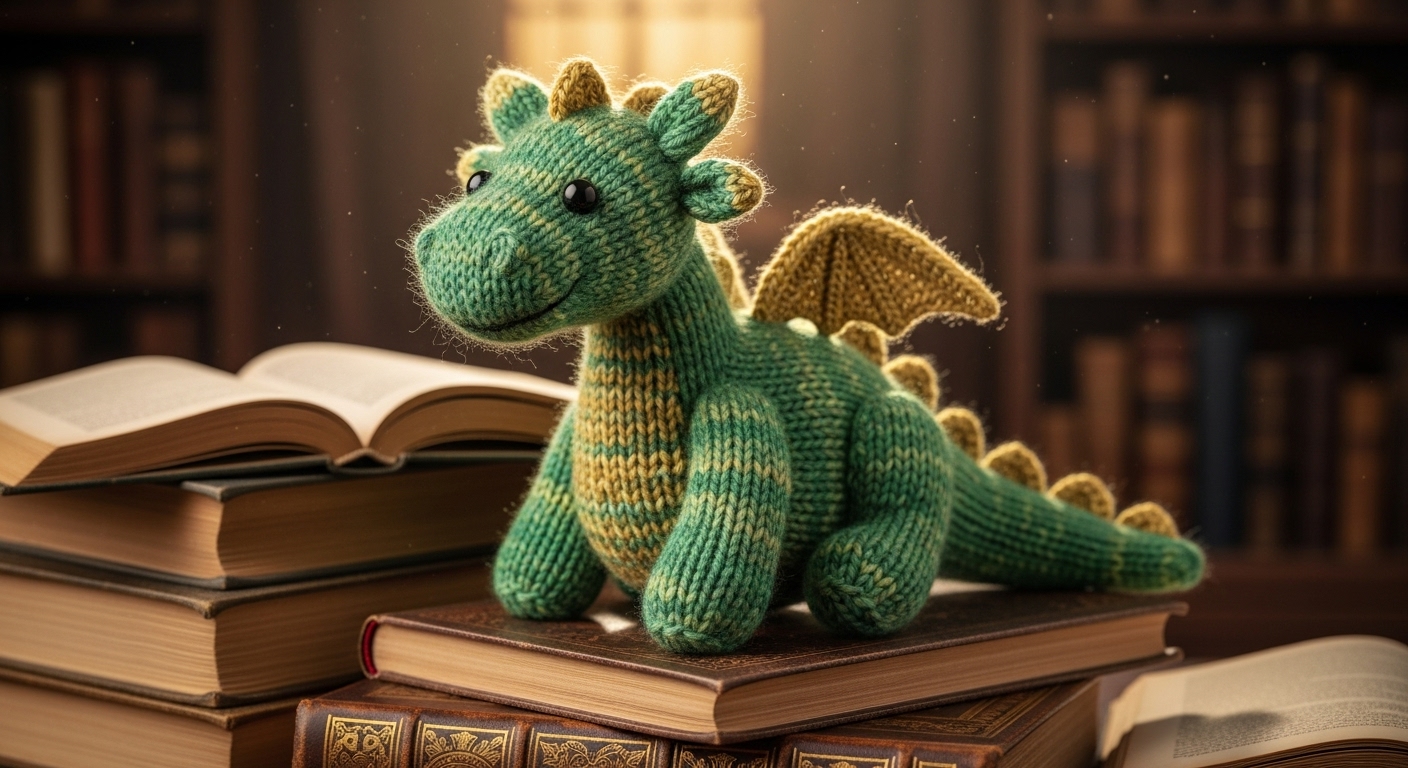
Prompt
A small, knitted dragon with large wings and a friendly smile, made from green and gold yarn.
Prompt
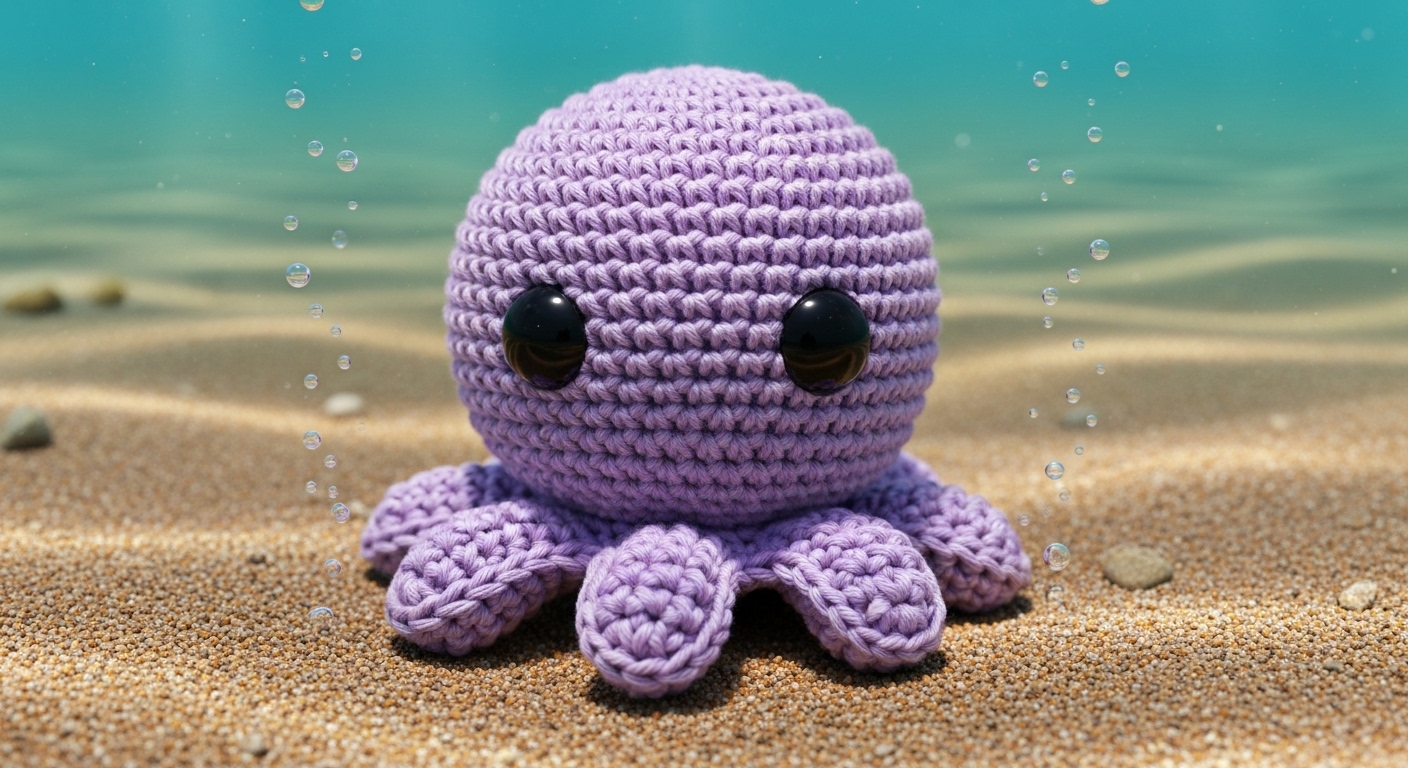
An amigurumi-style octopus with big eyes, crocheted from purple yarn, sitting on the seafloor.
Use Cases & Tips
Mastering Yarn Texture AI
The key to a convincing knitted toy prompt is specifying the material. Don’t just say ‘yarn’; be descriptive. This is how to create realistic yarn texture in AI.
- Yarn Types: Experiment with terms like ‘chunky wool yarn,’ ‘soft merino wool,’ ‘fluffy angora yarn,’ or ‘variegated cotton yarn’ to achieve different looks.
- Stitch Details: Add ‘garter stitch,’ ‘stockinette stitch,’ or ‘single crochet stitch’ to give the AI specific instructions on the construction. This adds to the handmade aesthetic.
- Fuzzy Texture: Use a ‘fuzzy texture prompt’ by adding keywords like ‘wispy fibers,’ ‘soft halo,’ or ‘gentle fuzz’ to make your creation look extra soft and cuddly.
Creating Amigurumi Style Art & Crochet Characters
Amigurumi is the Japanese art of knitting or crocheting small, stuffed yarn creatures. It’s a perfect style for AI generation.
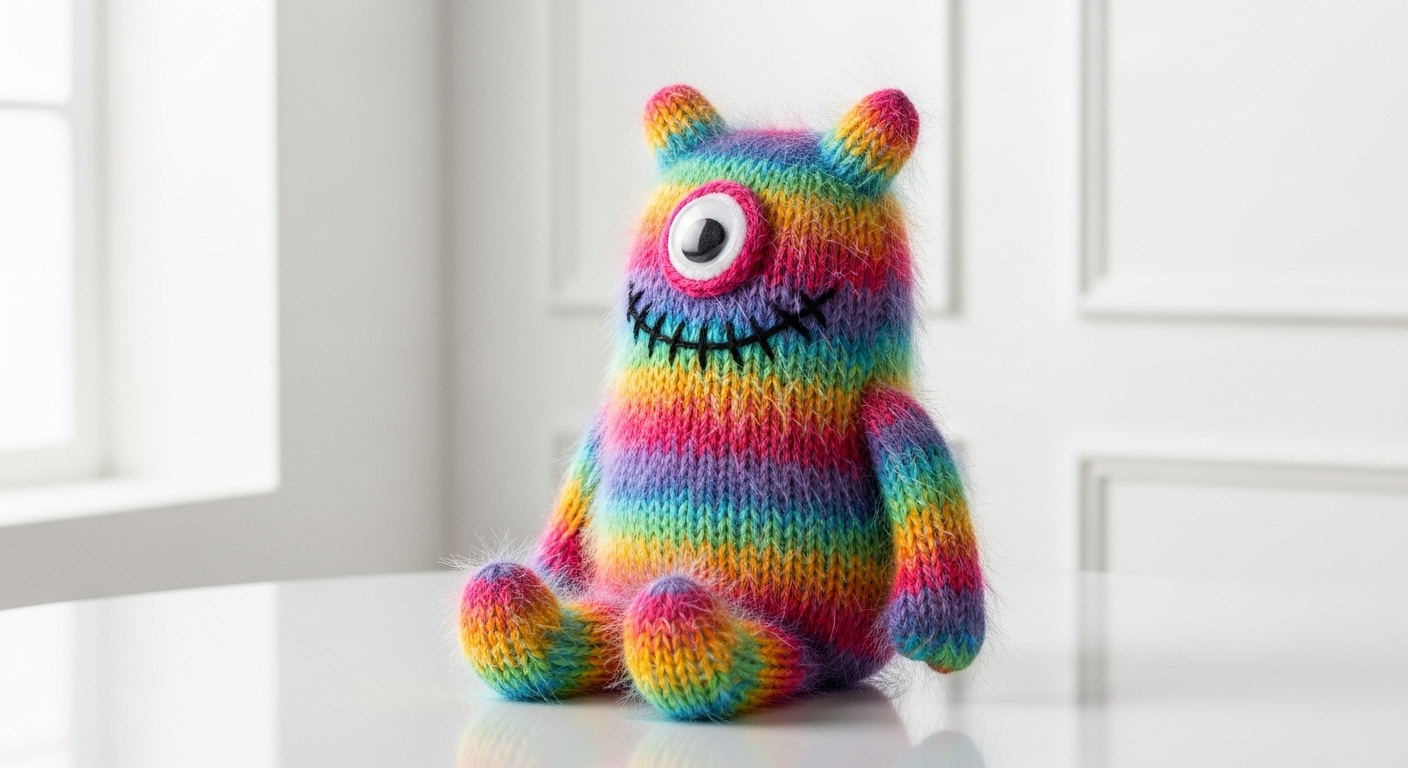
- Character Design: Use the prompt to create unique crochet character design ideas. Think beyond bears and bunnies; try fantasy creatures, monsters, or even inanimate objects with cute faces.
- Key Features: Amigurumi style art often features oversized heads, simple bodies, and shiny black plastic safety eyes. Including ‘beady black eyes’ or ’embroidered smile’ can enhance the effect.
- User Query Focus: A great ‘AI prompt for cute amigurumi animal’ could be: ‘Amigurumi style baby dragon, crocheted from green cotton yarn, large head and tiny wings, shiny plastic safety eyes.’
Staging Your Scene
A good background can elevate your image from a simple render to a storytelling piece.
- Photo Realism: To ‘generate photo of a crochet doll’ that looks real, place it in a realistic setting. Use backdrops like ‘a child’s messy bedroom,’ ‘a cozy armchair,’ or ‘a sunlit wooden shelf.’
- Lighting is Key: For a Midjourney knitted toy character prompt, specify lighting such as ‘soft window light,’ ‘warm tungsten lamp,’ or ‘golden hour sunlight’ to create mood and highlight the detailed fabric textures.
Frequently Asked Questions
Ans. To get a realistic yarn texture, be specific in your prompt. Instead of just 'yarn,' use descriptive terms like 'chunky merino wool,' 'fluffy angora,' 'boucle yarn,' or 'tightly-wound cotton.' Also, adding details about the stitching, like 'garter stitch' or 'single crochet,' helps the AI understand the construction and texture.
Ans. A great prompt for amigurumi style art specifies the key features of the style. Start with 'Amigurumi style [animal],' then add details like 'crocheted from soft cotton yarn,' 'oversized head,' 'tiny body,' and 'large glossy plastic safety eyes.' This combination captures the signature cute and handmade aesthetic.
Ans. Absolutely. The same principles apply. You can specify 'embroidered details,' 'felt patches,' 'burlap fabric,' 'denim texture,' or 'silk ribbon' to create AI art with a wide variety of detailed fabric textures on your characters or in your scenes.
Ans. For photorealism in a Midjourney knitted toy character prompt, focus on camera and lighting terms. Use phrases like 'macro photography,' 'shallow depth of field,' 'shot on a DSLR with 50mm lens,' and specify lighting like 'soft window light,' 'golden hour,' or 'studio lighting.' Placing the toy in a realistic background also greatly enhances the effect.
Ans. To generate a photo of a crochet doll that feels truly handmade, include subtle imperfections and context. Add terms like 'slightly loose stitch,' 'wispy fibers,' or 'hand-stitched details.' Place it in a cozy, lived-in setting, such as on a wooden table next to a pair of scissors and a ball of yarn, to enhance the handmade aesthetic.
Ans. To emphasize a fuzzy texture, use keywords that describe the effect of light on the fibers. Try 'soft halo of fuzz,' 'backlit fibers glowing,' 'wispy mohair texture,' or 'fluffy angora yarn.' Combining these with macro or close-up camera shots will make the fuzzy details the star of the image.