
Sumi-e Style AI Art Prompts: Master Japanese Ink Wash Painting
Modern prompt pattern • responsive assets • ready-to-copy
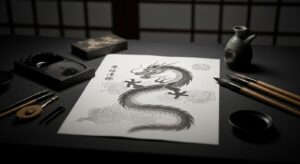
Prompt Template
Sumi-e style painting of [Subject], [Action/Pose]. Minimalist composition, focusing on the essence of the subject. Executed with bold, expressive [Type of] brush strokes on textured washi paper. Emphasize the principles of Shibumi (simple, subtle beauty) and Yugen (profound grace). Negative space (Ma) is a key element. [Optional: Add subtle color wash, e.g., pale indigo, soft ochre]. --style raw --ar [Aspect Ratio]
Examples
Prompt
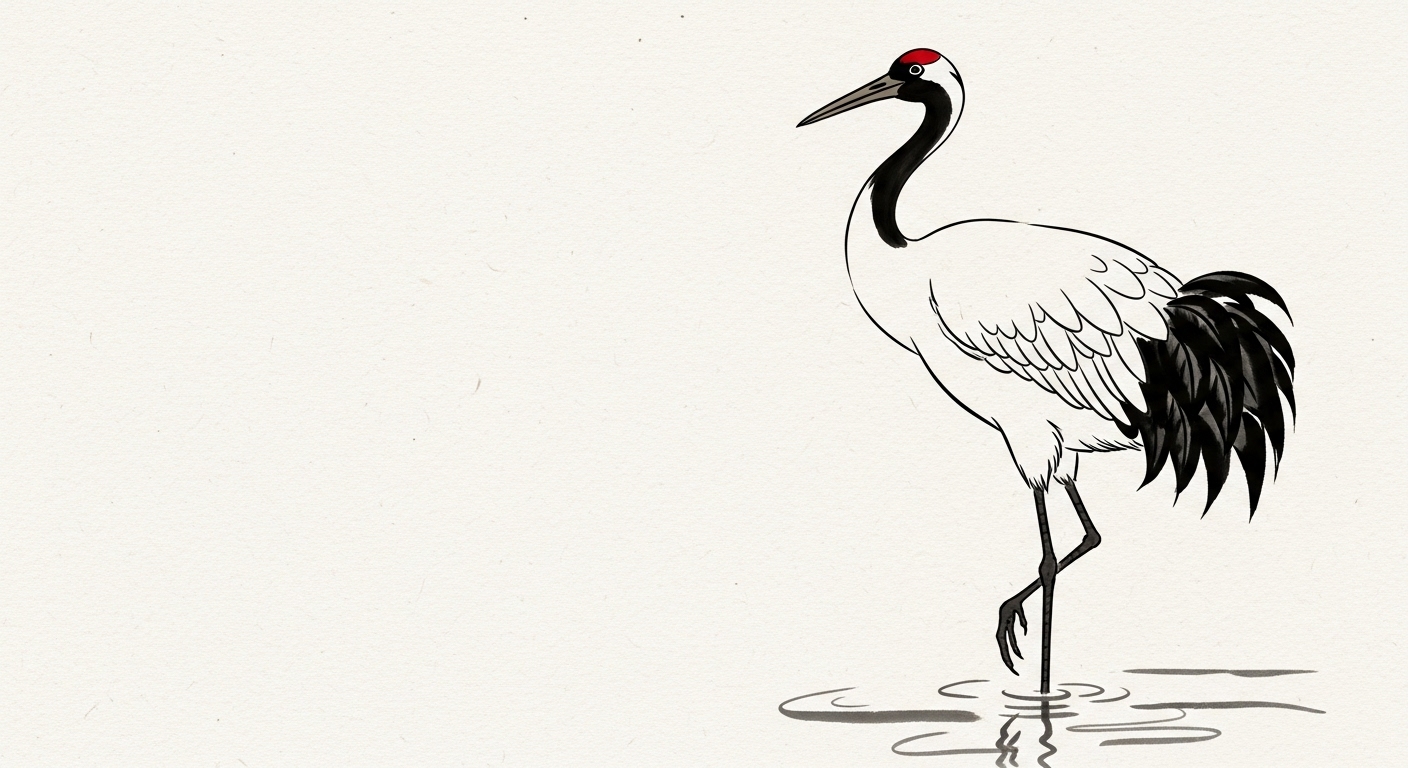
Sumi-e style painting of a red-crowned crane standing gracefully in shallow water. Minimalist composition, focusing on the essence of its elegance. Executed with bold, expressive calligraphic brush strokes on textured washi paper. Emphasize the principles of Shibumi. Negative space is a key element, with soft ink wash for the water's reflection. --style raw --ar 2:3
Prompt
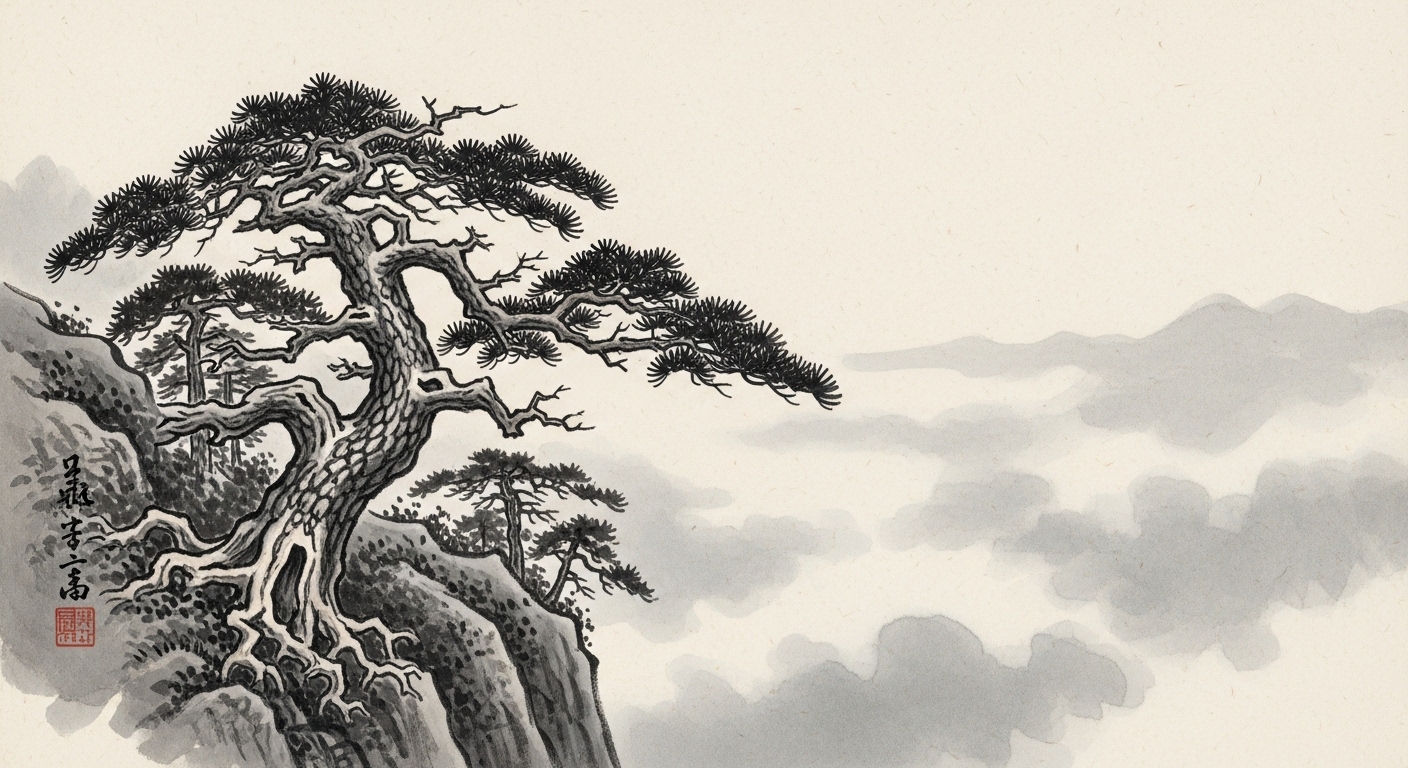
Sumi-e style painting of a gnarled, ancient pine tree clinging to a misty mountain cliff. Executed with powerful, dry brush strokes on heavy rice paper. Emphasize the principle of Yugen (profound grace). The mist and empty space are the dominant elements, suggesting immense height and solitude. --style raw --ar 16:9
Prompt
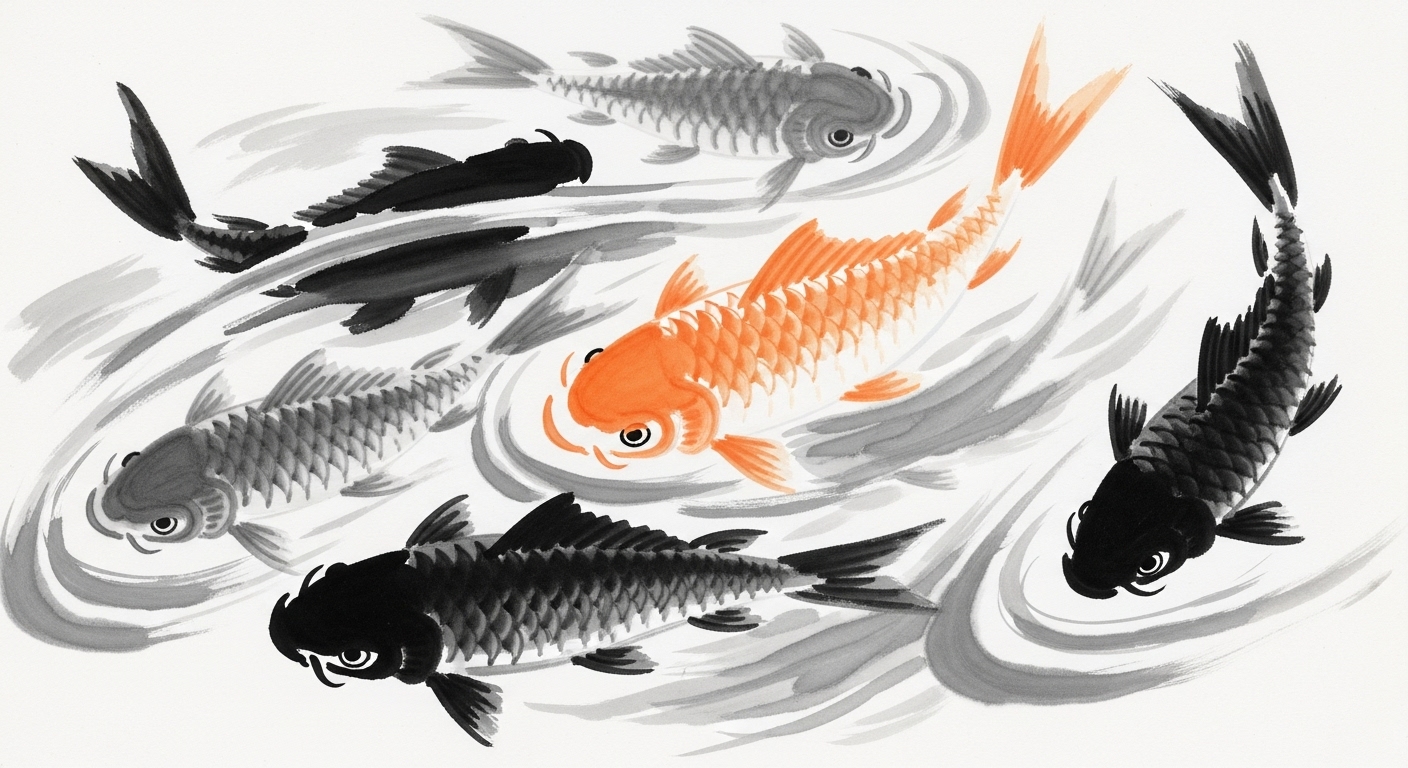
Suibokuga ink wash painting of a school of koi fish swimming. Dynamic, fluid brush strokes capture their movement. Minimalist composition with a focus on flow and energy. A subtle, pale orange color wash is applied to one of the fish. The background is pure white washi paper. --style raw --ar 4:5
Prompt
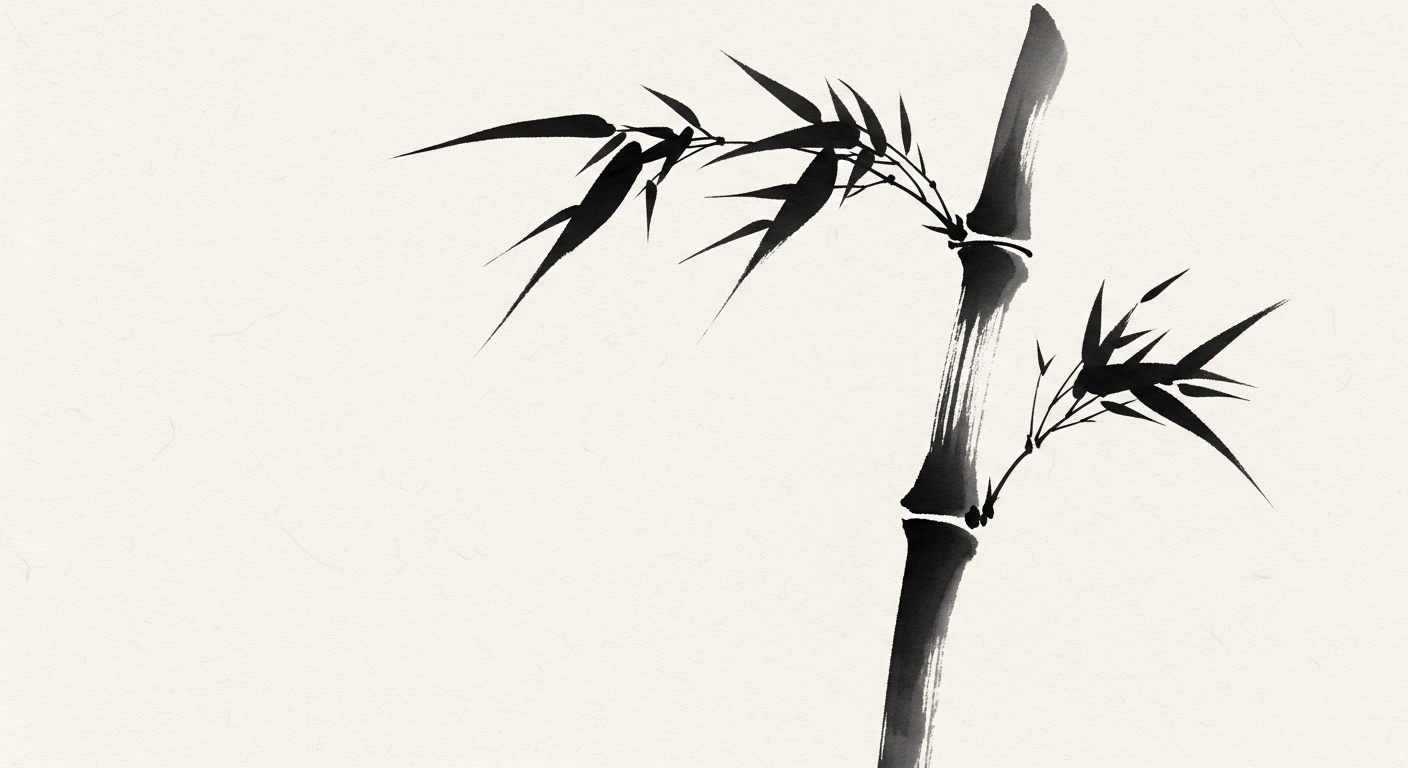
Sumi-e style painting of a stalk of bamboo, leaves swaying in an unseen wind. Executed with swift, confident single brush strokes for each leaf and stalk. The composition is simple and elegant, focusing on the flexibility and strength of the bamboo. Strong emphasis on Ma (negative space). --style raw --ar 3:4
Prompt
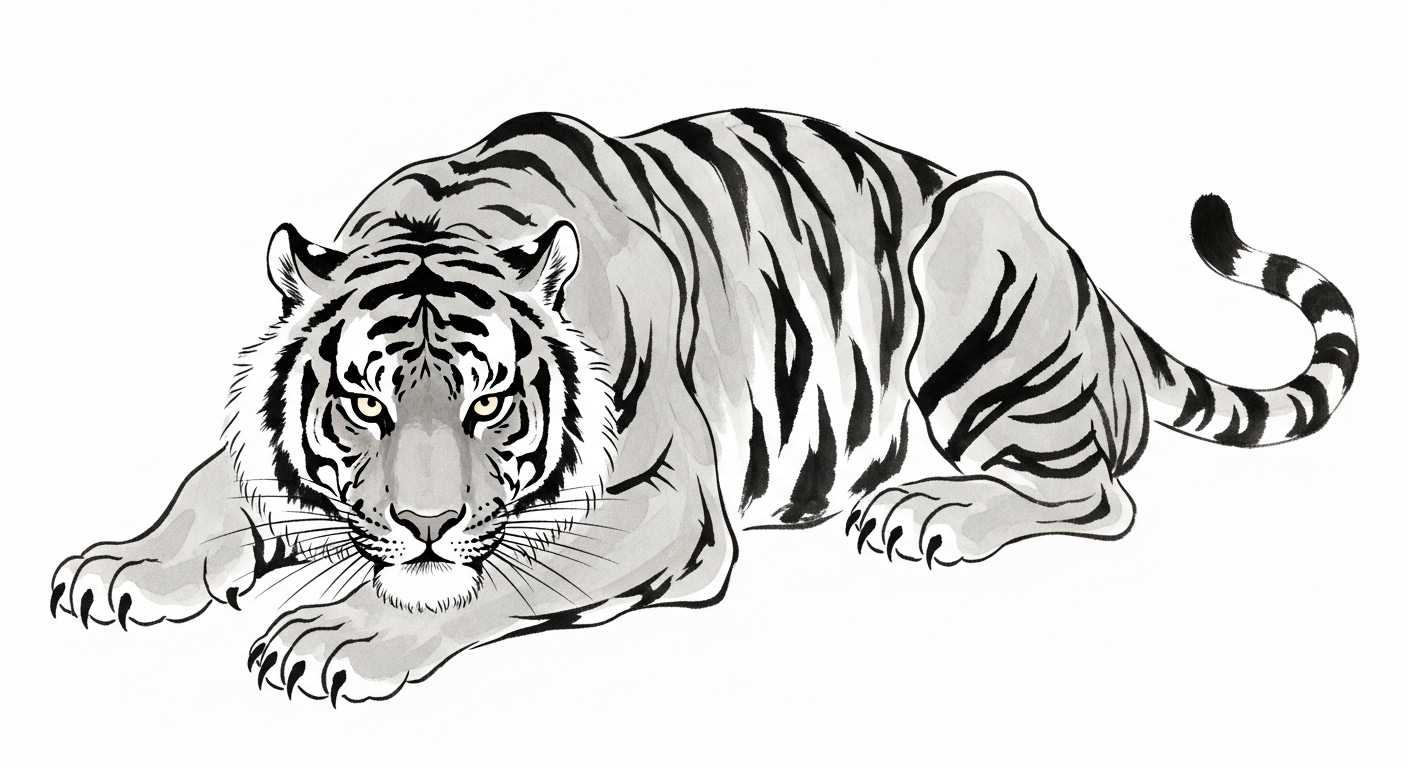
Sumi-e style painting of a crouching tiger, ready to pounce. The form is suggested with minimal, powerful brush strokes, focusing on its raw energy and intensity. Executed with a wet-on-wet ink wash technique to create a soft, blurred effect on its stripes. The eyes are sharp and clear. --style raw --ar 3:2
Use Cases & Tips
Mastering the Art of Simplicity
The Sumi-e style, or suibokuga, is more than just an aesthetic; it’s a philosophy rooted in Zen Buddhism. When using a minimalist ink art AI generator, the goal is to capture the spirit (qi) of the subject, not just its appearance. Here are some tips:
- Focus on Essence: Instead of prompting for photorealistic detail, think about the core nature of your subject. For sumi-e style animal prompts, use words like ‘graceful crane,’ ‘prowling tiger,’ or ‘wise old owl’ to guide the AI.
- Embrace Negative Space (Ma): The empty space in a Japanese ink wash painting is as important as the ink. Use phrases like ‘minimalist composition,’ ‘vast negative space,’ or ‘subject placed off-center’ to create a balanced and contemplative image.
- Vary Your Brush Strokes: The soul of this style lies in the brushwork. Experiment with terms like ‘bold, energetic brush strokes,’ ‘delicate, wet-on-wet ink wash,’ or ‘dry brush technique (kasure)’ to add texture and emotion to your brush stroke painting.
Creating Classic Sumi-e Scenes
Here’s how to create sumi-e style art in Midjourney or other platforms for classic subjects:
- Landscapes: For stunning sumi-e landscape prompt ideas, focus on nature’s grandeur. Use prompts describing ‘misty mountains shrouded in fog,’ ‘a solitary bamboo grove,’ or ‘a gnarled pine tree on a cliff.’
- Flora and Fauna: The Four Gentlemen (bamboo, orchid, plum blossom, and chrysanthemum) are classic subjects. Combine them with animals like koi fish, sparrows, or dragons for dynamic compositions.
- Zen Art & Philosophy: To create true Zen art, incorporate philosophical concepts. Prompts featuring ‘an ensō circle symbolizing enlightenment,’ ‘a meditating monk,’ or ‘a simple rock garden’ can produce profoundly serene images.
Frequently Asked Questions
Ans. Sumi-e and Suibokuga are essentially the same art form. 'Sumi-e' (墨絵) translates to 'ink picture,' while 'Suibokuga' (水墨画) means 'water ink picture.' Both refer to the traditional East Asian art of Japanese ink wash painting, which emphasizes minimalist compositions and expressive brushwork.
Ans. To achieve an authentic brush stroke painting effect, use descriptive keywords in your prompt. Specify the type of stroke, such as 'bold calligraphic strokes,' 'delicate, thin lines,' 'energetic, swift strokes,' or 'dry brush technique.' Mentioning the medium, like 'on textured washi paper,' also helps the AI render the style more accurately.
Ans. The best prompts focus on the animal's spirit rather than hyper-realism. Use a simple structure: 'Sumi-e style of a [animal] [action/mood].' For example, 'Sumi-e style of a leaping fox, full of playful energy' or 'Sumi-e style of a wise old owl, with intense eyes.' This approach guides the AI to create expressive Zen art.
Ans. Yes, while traditional Sumi-e is monochrome, some pieces include subtle color. This is called 'sumi-e with color' or sometimes associated with the term 'notan.' To add color, include a phrase like 'with a subtle pale indigo wash' or 'a single touch of crimson on the blossom' in your prompt. Keep it minimal to maintain the style's integrity.
Ans. A minimalist ink art AI generator is perfect for creating Zen art because the style emphasizes simplicity and mindfulness. By using prompts that focus on negative space ('Ma'), natural subjects (like bamboo or mountains), and philosophical concepts ('ensō circle for enlightenment'), you can generate images that are not just beautiful but also meditative and serene.