Hyper Realistic Glass World: Ultimate AI Image Generation Guide
A hyper realistic glass world featuring [Subject], constructed entirely from transparent and translucent crystalline materials, extreme refraction, ray-traced caustics, cinematic lighting, 8k resolution, photorealistic textures, intricate internal structures.
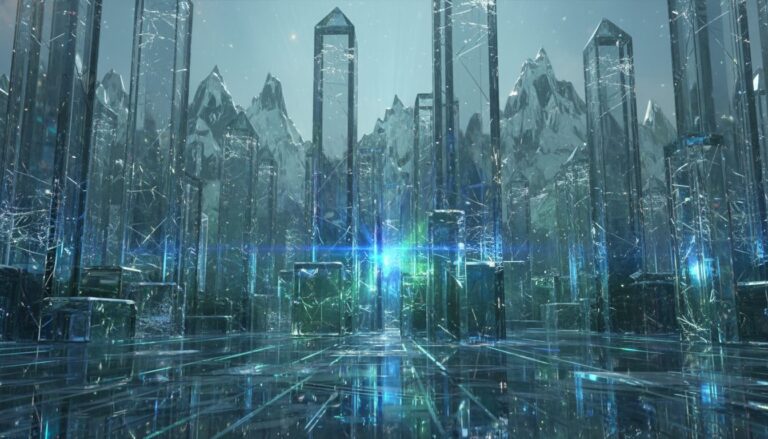
Examples
A few example prompts to help you see how this prompt can be used.
Prompt Example
A hyper realistic glass world forest where every tree, leaf, and blade of grass is made of clear crystal, sunlight refracting into rainbows, 8k resolution.
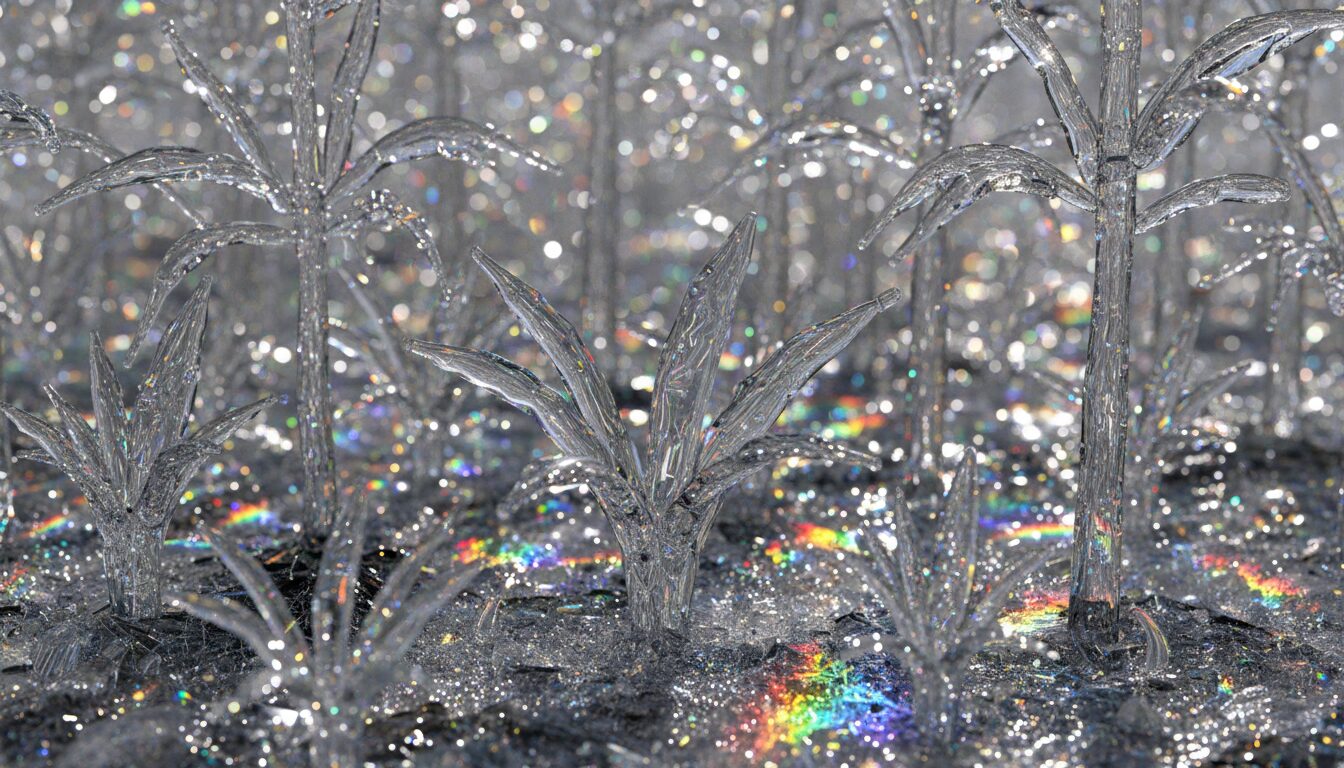
Prompt Example
A miniature hyper realistic glass world contained inside a floating glass sphere, featuring a tiny crystalline city, soft bokeh background.
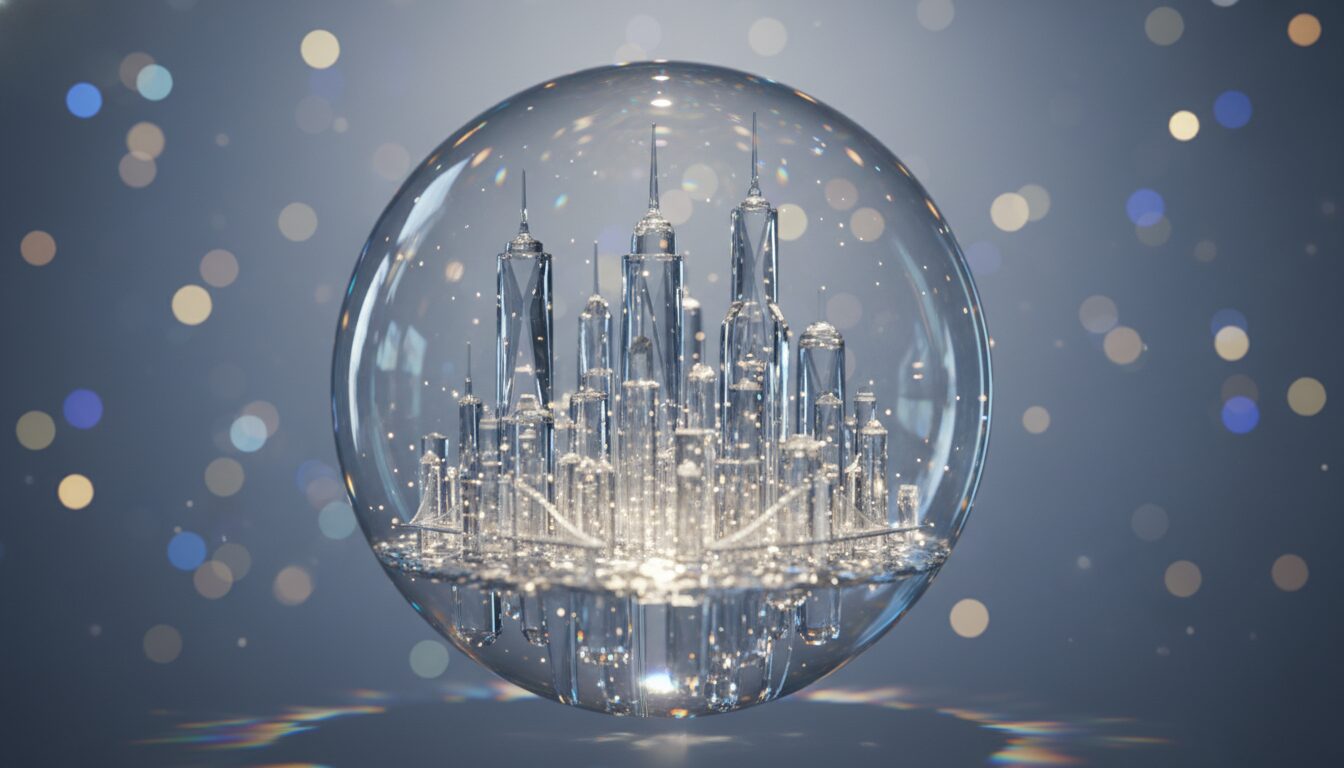
Prompt Example
Underwater hyper realistic glass world city with transparent domes and refractive bubbles, deep blue lighting, photorealistic textures.
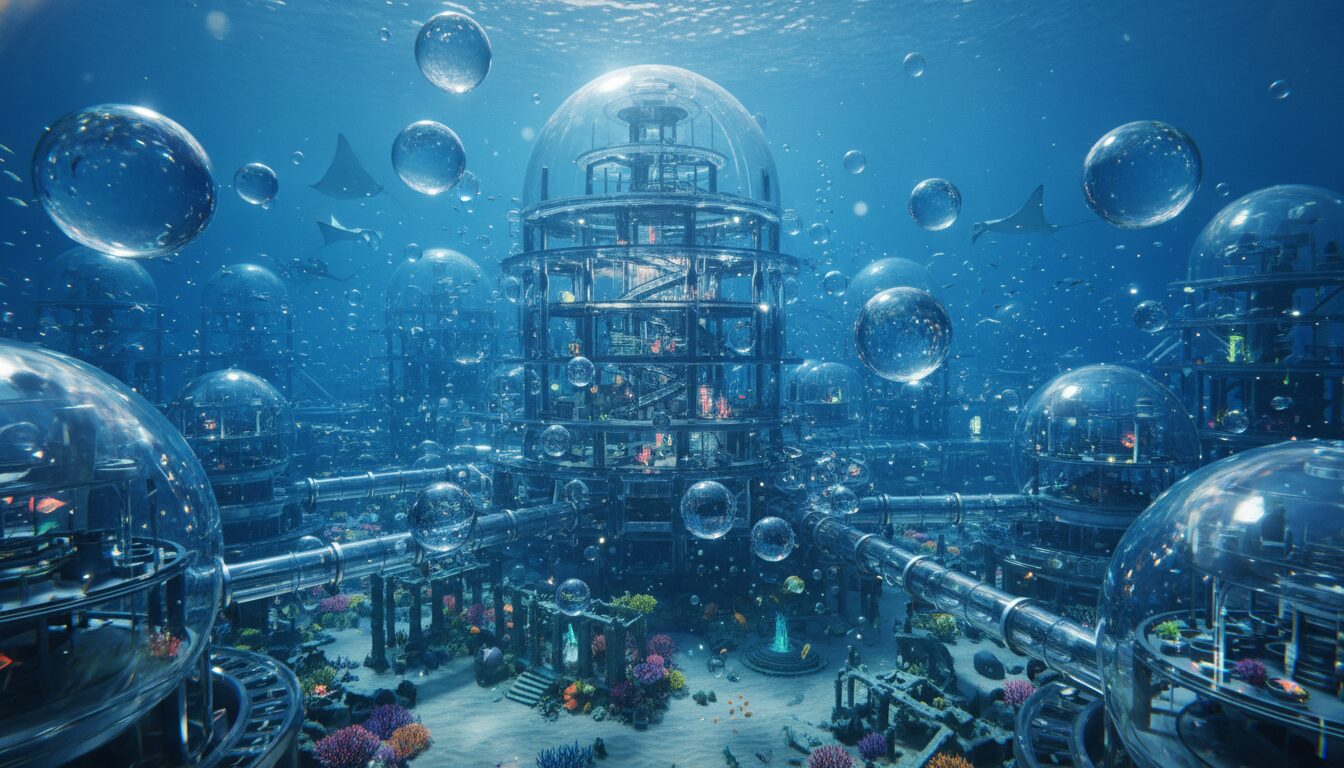
Prompt Example
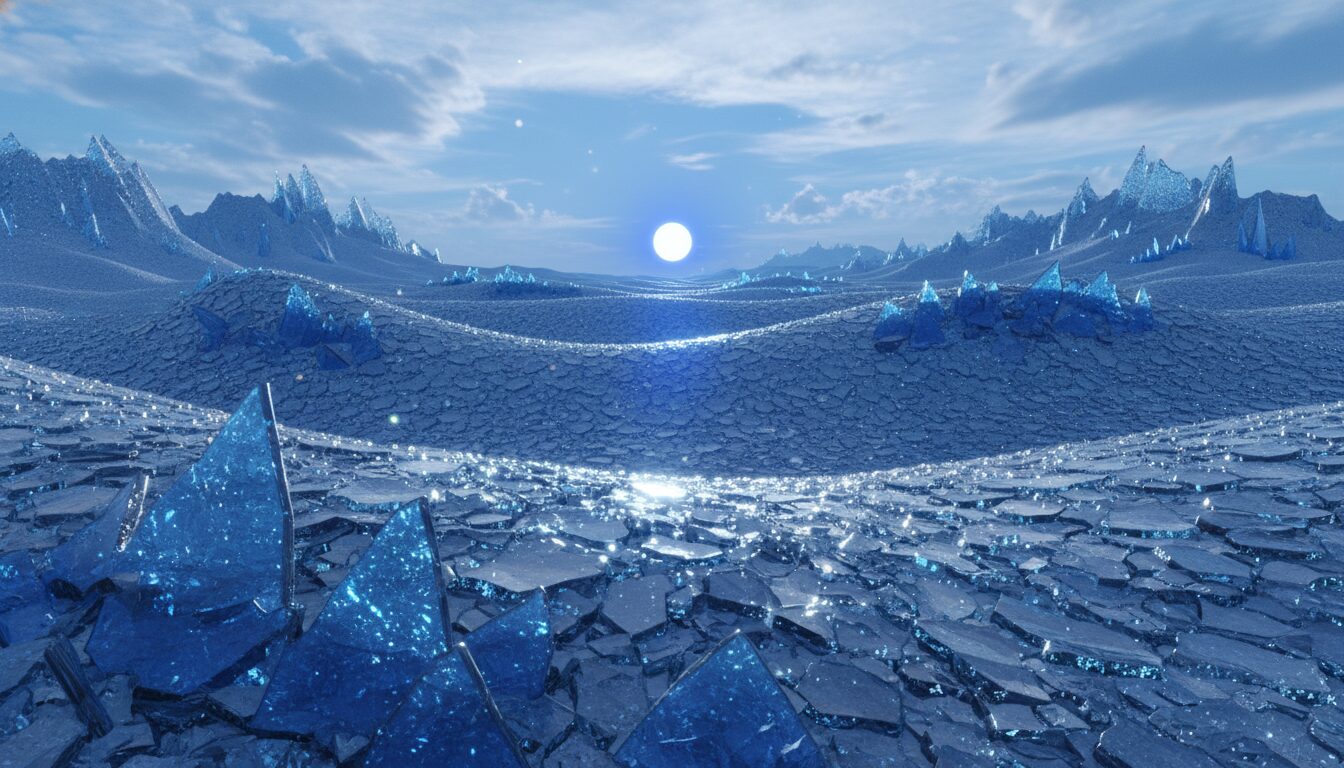
A desert made of hyper realistic glass dunes, with a sapphire sun reflecting off the sharp vitreous edges, cinematic wide shot.
Prompt Example
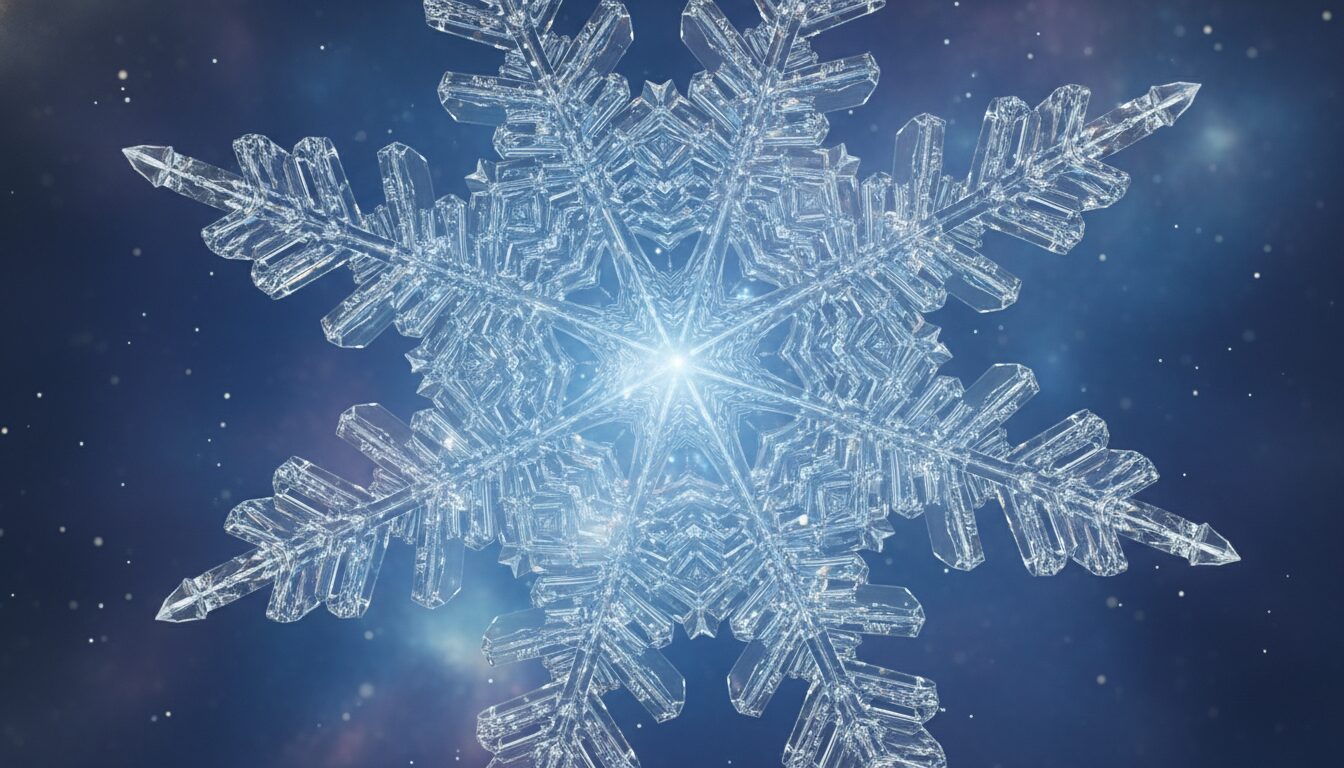
A macro shot of a hyper realistic glass world snowflake, revealing an entire intricate universe inside the ice-like structure.
Prompt Overview
A quick summary to help you understand what this prompt is designed to do.
A hyper realistic glass world is a digital art concept focusing on high-fidelity transparency, refraction, and light physics. Using AI generators like Midjourney or DALL-E, artists simulate intricate crystalline structures, vitreous landscapes, and complex reflections. Key elements include ray tracing, caustics, and precise material properties to achieve lifelike transparency and depth in virtual environments.
What This Prompt Covers
A simple breakdown of the main ideas and details included in this prompt.
The Semantic Foundation of Vitreous Design
Achieving a hyper realistic glass world involves more than simple transparency; it requires a deep understanding of Ray tracing and Refraction. By manipulating the refractive index rendering, AI can simulate how light bends through silica-based structures. The Fresnel effect is crucial for ensuring that reflections change based on the viewing angle, while caustics provide the necessary light patterns found in crystalline landscapes. This semantic relationship between light and material property is what builds digital surrealism with high authority.
Why This Prompt Works
Helpful notes on what makes this prompt clear, useful, and effective.
Optimizing for AI Engines
To get the best results for a hyper realistic glass world across different platforms:
- Midjourney: Use the --v 6.0 parameter and focus on light-specific keywords like 'volumetric lighting' and 'ray-traced reflections'.
- DALL-E 3: Be descriptive about the internal physics, such as 'light scattering inside the glass' or 'prismatic rainbows'.
- Stable Diffusion: Utilize LoRAs specifically trained on 'glass' or 'crystal' and ensure the use of negative prompts to avoid 'cloudy' or 'opaque' artifacts.
Use Cases & Tips
Creative Applications
-
Digital Art & Wallpapers
Create high-resolution 8k glass textures and crystalline backgrounds for immersive desktop experiences.
-
Architectural Visualization
Design futuristic transparent architecture and vitreous environments for conceptual urban planning.
-
Entertainment & Media
Develop unique concept art for sci-fi films and video games featuring transparent glass planet visualization.
-
Marketing Material
Produce high-end product backgrounds using macro glass photography aesthetics and realistic glass reflection prompts.
Frequently Asked Questions
Q1. How do I create a hyper realistic glass world in Midjourney?
To create a hyper realistic glass world in Midjourney, use prompts that emphasize material properties such as 'refraction', 'caustics', and '8k resolution'. Use the latest version and include specific lighting instructions like 'ray-traced reflections' to enhance the realism of the transparent architecture.
Q2. What are the best prompts for glass cityscapes?
The best prompts for glass cityscapes include terms like 'vitreous skyscrapers', 'transparent urban landscape', 'prismatic light', and 'complex internal structures'. Combining these with 'cinematic lighting' ensures a high-authority visual result.
Q3. Can I generate 3D glass world wallpaper with AI?
Yes, you can generate 3D glass world wallpaper by specifying the aspect ratio (e.g., --ar 16:9) and focusing on 'high-resolution crystalline landscapes' and 'photorealistic glass textures' to ensure the output is suitable for large screens.
Q4. What is refractive index rendering in AI art?
Refractive index rendering refers to the AI's ability to simulate how light passes through materials like glass. In prompts, using this term helps the model understand how to bend light realistically through your hyper realistic glass world.
Q5. How do I add realistic glass reflections to my prompts?
To add realistic glass reflections, use keywords like 'Fresnel effect', 'mirror-like surfaces', and 'specular highlights'. These entities help the AI calculate how light should bounce off the vitreous environments you are creating.
Q6. What tools are best for transparent glass planet visualization?
Midjourney, DALL-E 3, and Stable Diffusion are the top tools. For a transparent glass planet, focus on 'subsurface scattering' and 'internal core glow' to give the planet depth and a realistic vitreous look.
Q7. Why is my AI-generated glass world looking cloudy?
If your glass world looks cloudy, it is likely due to a lack of lighting detail. Ensure you include 'clear transparency', 'highly polished surface', and 'no fog' in your prompt to maintain the crystalline landscape's clarity.