Surreal Dreamscape Prompts: Create Mind-Bending AI Art
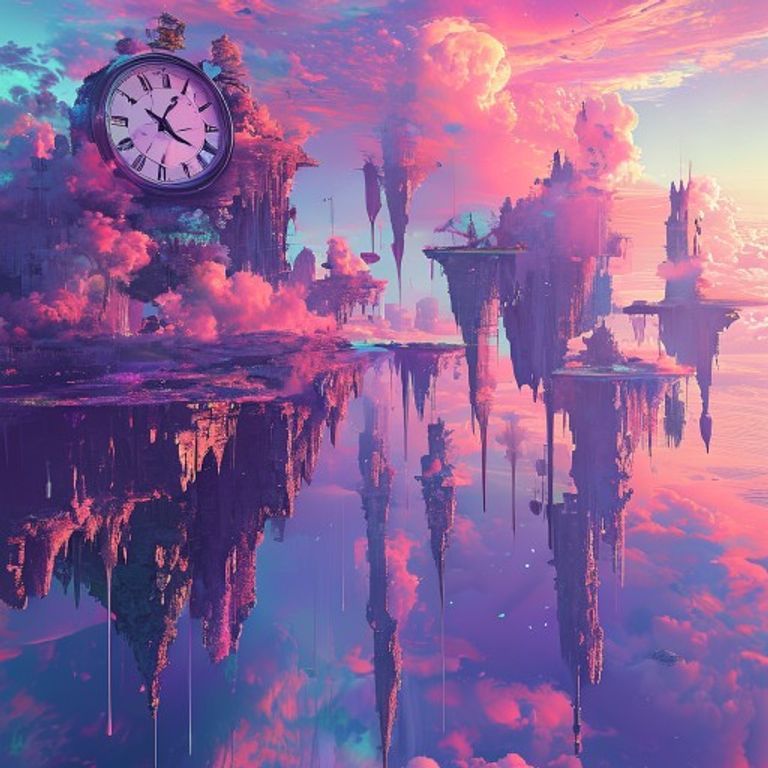
A surreal fantasy landscape of floating rocky islands suspended above an endless mirror-like sky, featuring a giant antique clock embedded in a lush cliff, glowing pink and lavender clouds, infinite floating spires, soft golden sunset, ethereal atmosphere, magical realism, vibrant pastel colors, cinematic lighting, style of Maxfield Parrish and Studio Ghibli, hyperrealistic detail, masterpiece, 8K.
Examples
A few example prompts to help you see how this prompt can be used.
Prompt Example
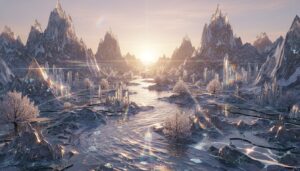
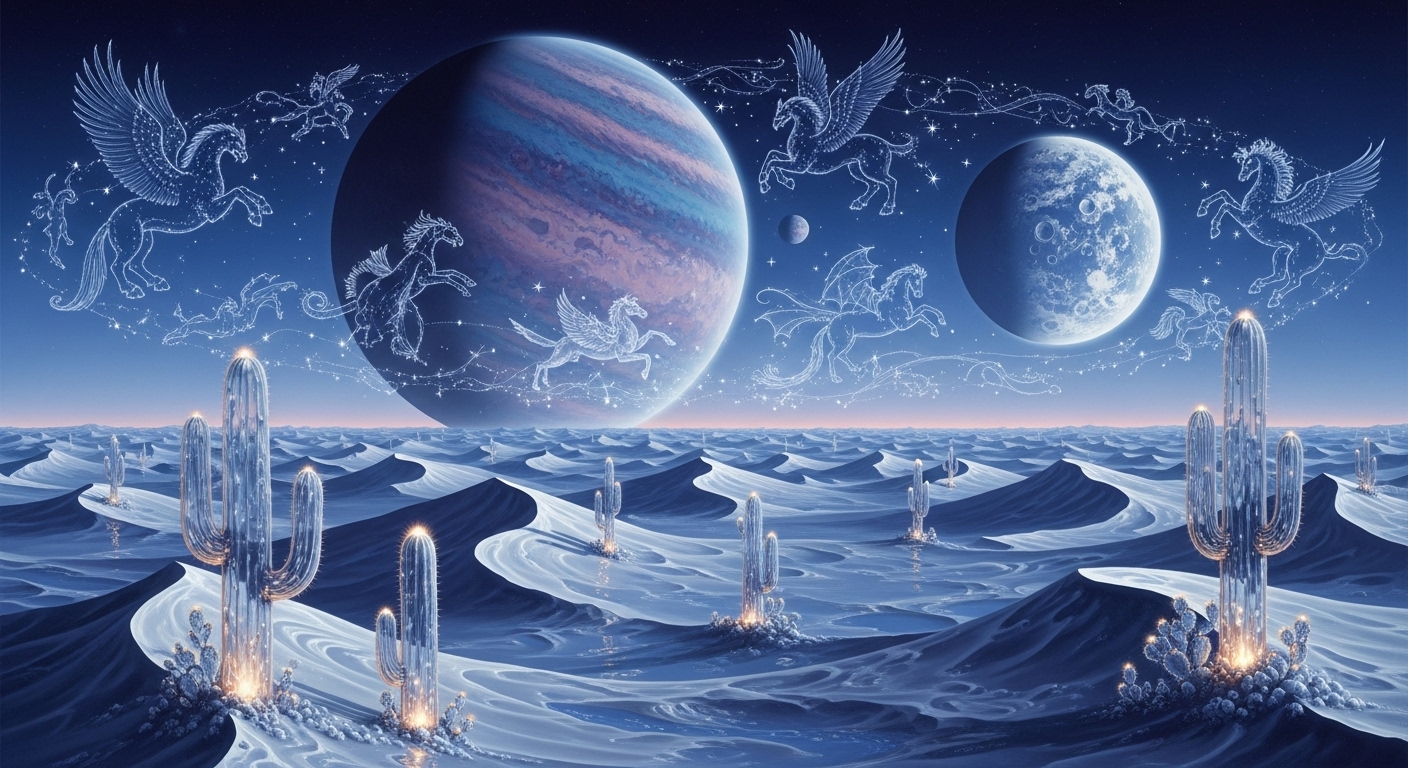
A surreal dreamscape of a vast desert where the dunes are made of shimmering, liquid moonlight. Giant, crystalline cacti grow from the ground, glowing with a soft internal light. In the sky, two planets hang close, and constellations are shaped like mythical creatures. Style of Remedios Varo, atmospheric, ethereal lighting, hyperrealistic detail, 8K.
Prompt Example
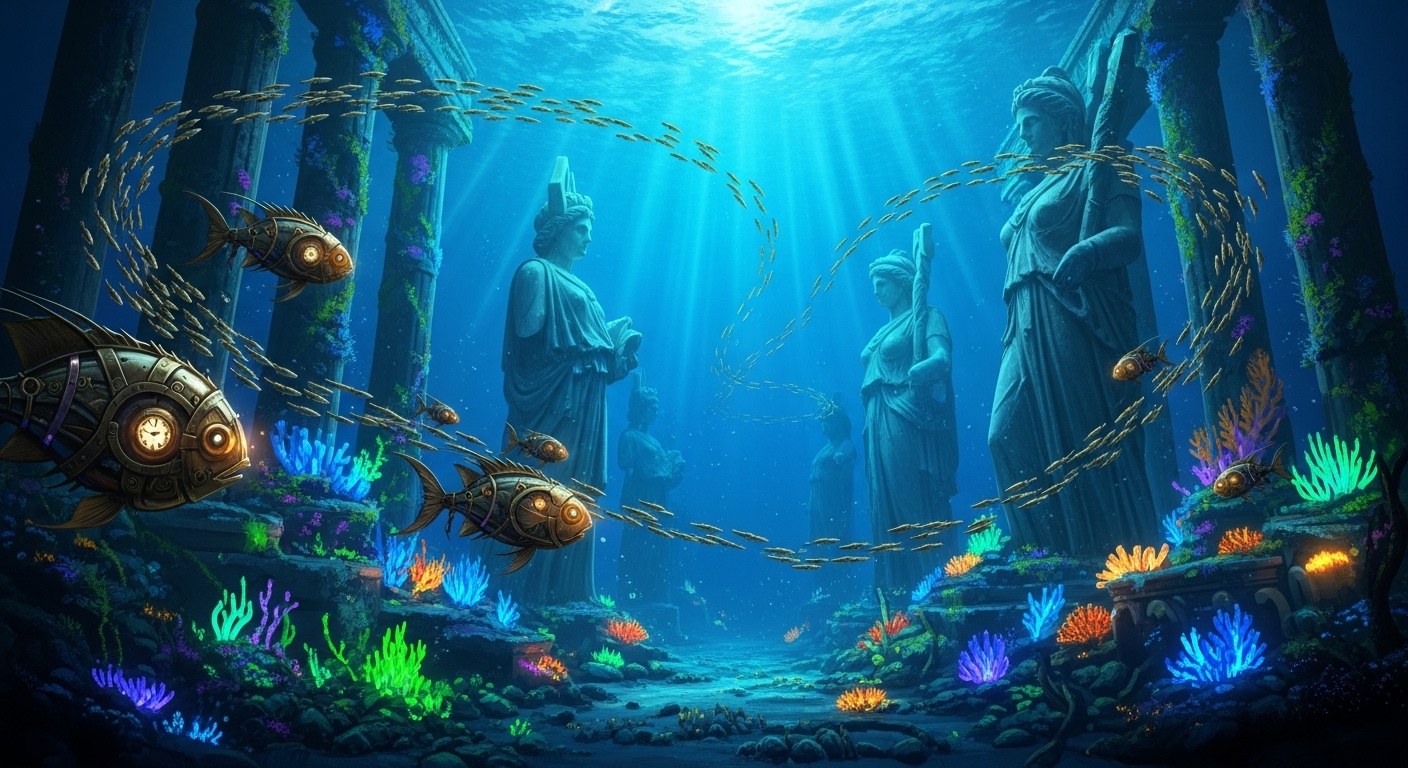
An underwater surreal dreamscape depicting a forgotten city. The buildings are colossal, ancient Greek statues half-buried in the seabed, covered in bioluminescent coral. Schools of clockwork fish swim through the empty eye sockets of the statues. The water is a clear, deep sapphire blue, with light rays piercing from an unseen surface. Cinematic, volumetric lighting, epic scale, concept art.
Prompt Example
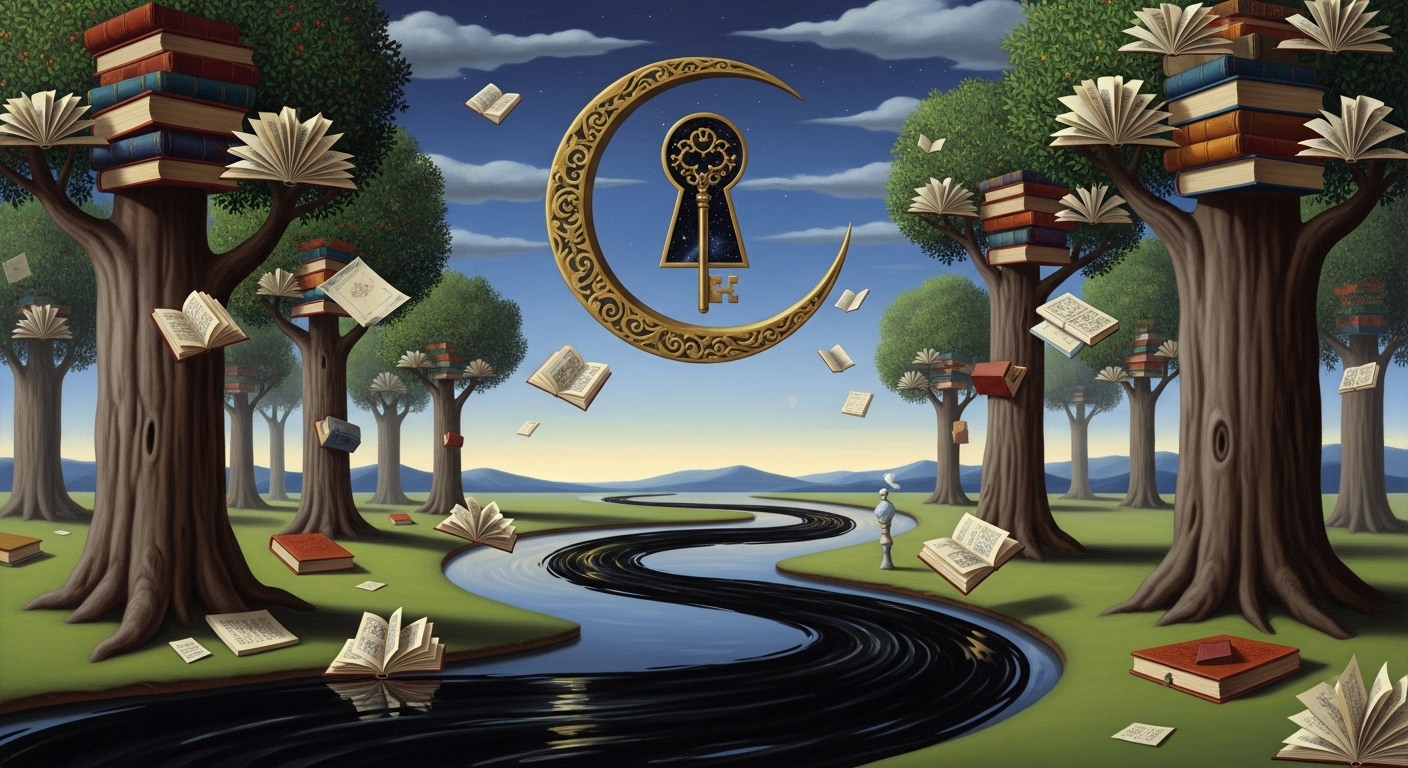
A surreal dreamscape of a forest where the trees are made of antique books, their pages fluttering like leaves in the wind. A river of flowing ink meanders through the forest floor. The sky is a perpetual, soft twilight, lit by a moon shaped like a keyhole. Whimsical, magical realism, inspired by René Magritte, intricate detail.
Prompt Example
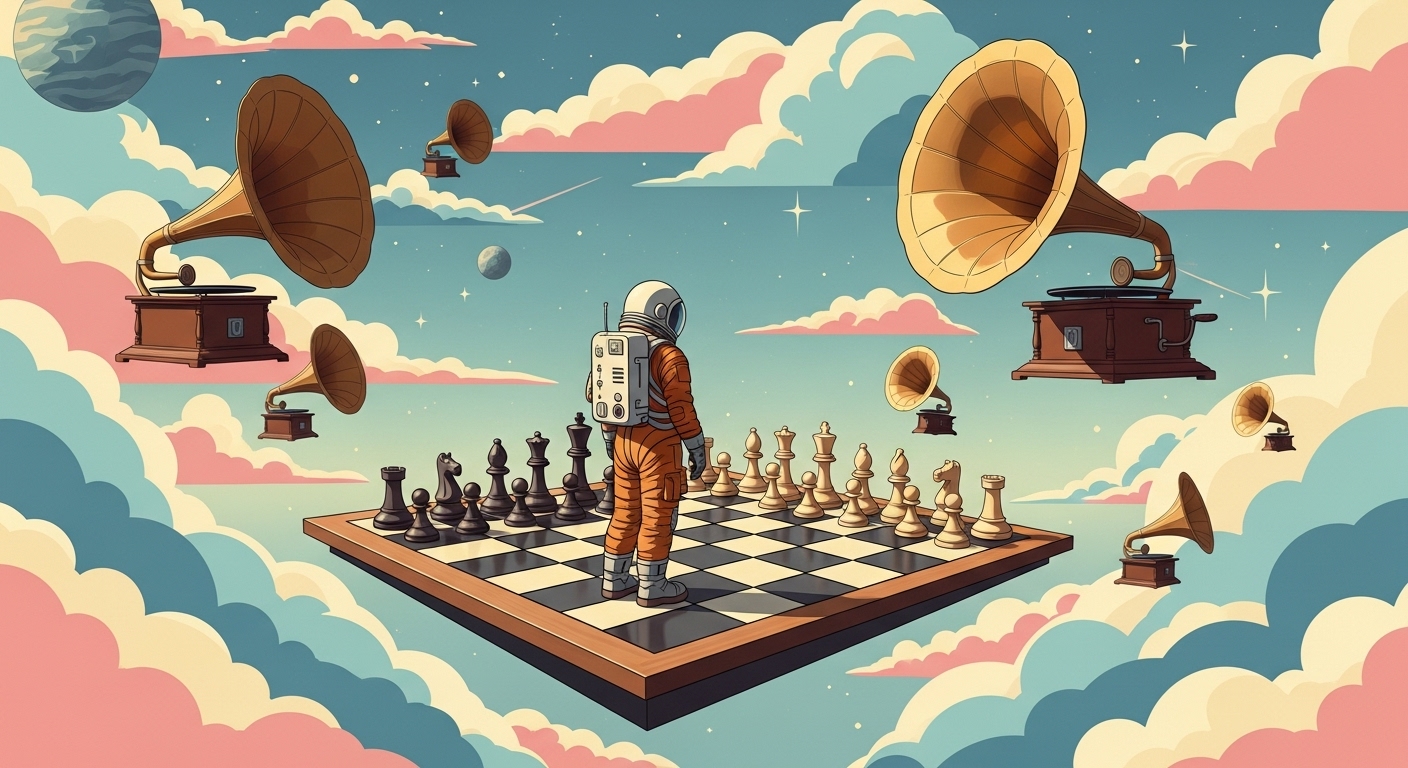
A bizarre, retro-futuristic surreal dreamscape. A lone astronaut stands on a floating chessboard plain, looking up at a sky filled with giant, hovering gramophones that play silent music. The clouds are geometric and pastel-colored. The atmosphere is quiet and contemplative. Style of 70s sci-fi art, pastel color palette, sharp focus, high detail.
Prompt Example
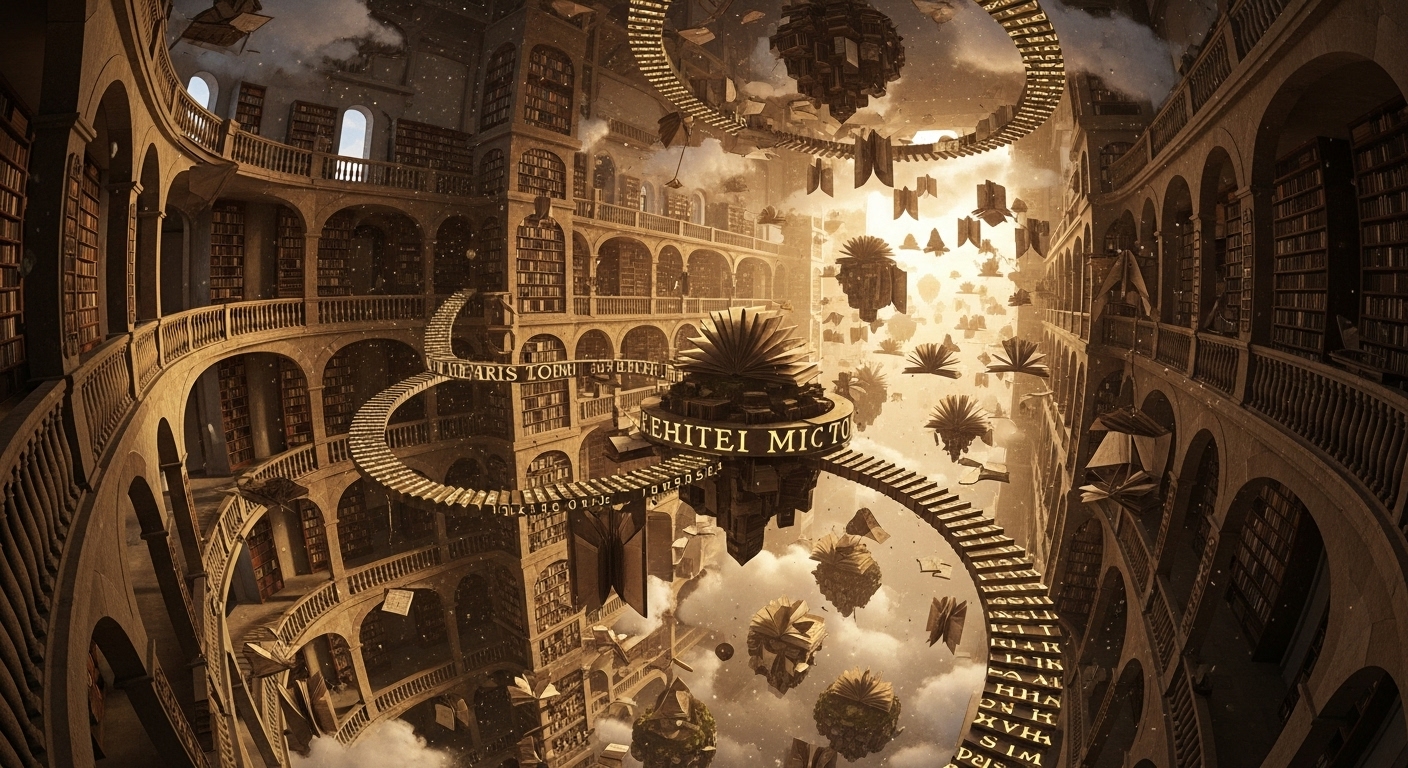
A surreal dreamscape set in an infinite library where the bookshelves stretch into a vanishing point in the clouds. Ladders connect floating islands of books, and staircases are made of spiraling text. A single, glowing orb provides a warm, golden light. Inspired by the art of M.C. Escher and Jorge Luis Borges's 'Library of Babel'. Architectural, impossible geometry, cinematic.
Use Cases & Tips
Crafting Unique and Fantastical Worlds
- Use the surreal dreamscape prompt to build entire worlds that defy logic and physics. This is perfect for concept artists, game developers, and authors looking to visualize settings for their stories. Generating these fantastical worlds helps establish a unique visual identity for any creative project.
- Experiment with combining impossible elements, like liquid skies or mountains made of glass, to push the boundaries of your imagination. This is a core technique in creating memorable AI surrealism.
Developing Your Signature Surrealist Imagery
- Many artists wonder how to create surreal dreamscape art that is truly their own. Start by incorporating personal symbols or recurring motifs into your prompts. This can transform a generic prompt into a piece of deeply personal, dreamlike art.
- Study the masters to find inspiration. Our guide includes tips for creating Dali inspired AI art prompts, but you can also reference artists like Remedios Varo or Max Ernst to develop your own unique style of surrealist imagery.
Generating Abstract Landscapes and Backgrounds
- Not every image needs a clear subject. Use these prompts to generate stunning abstract landscapes that can serve as backgrounds for graphic design, websites, or digital art composites.
- Focus on color, texture, and mood. By removing a central subject, you can explore pure form and emotion, which is a great exercise for any artist using a surreal landscape generator. Many users search for Midjourney surreal dreamscape prompts specifically for creating these atmospheric scenes.
Frequently Asked Questions
Q1. How do I create surreal dreamscape art with AI?
To create surreal dreamscape art, combine familiar objects in unfamiliar, illogical contexts. Use descriptive language in your prompts that evokes a dreamlike state. Mention impossible physics (floating islands), strange juxtapositions (clocks melting on trees), and a unique color palette to guide the AI in generating truly surrealist imagery.
Q2. What are some good AI art prompts for dreamlike scenes?
Good prompts for dreamlike art often include keywords like 'ethereal,' 'luminous,' 'floating,' 'translucent,' and 'celestial.' Combine these with a strange subject, such as 'A city made of glass carried on the back of a giant turtle,' to create compelling and dreamlike results.
Q3. Can I use a surreal landscape generator to create Dali-inspired AI art?
Absolutely. To create Dali-inspired AI art, explicitly mention 'in the style of Salvador Dalí' in your prompt. Also, include iconic Dalí motifs like melting clocks, elephants with long, spindly legs, crutches, and vast, empty desert landscapes. These are excellent surreal landscape generator ideas for capturing his unique style.
Q4. What key elements define surrealist imagery in AI art?
Surrealist imagery is defined by the element of surprise, unexpected juxtapositions, and a non-logical scene. In AI art, this is achieved by prompting for things that could not exist in reality, blending disparate concepts, and creating a scene that feels more like a subconscious thought than a real place.
Q5. How can I make my AI-generated fantastical worlds more unique?
To make your fantastical worlds more unique, focus on the small details. Instead of just 'a fantasy city,' specify the architecture ('art nouveau buildings carved from giant mushrooms'), the inhabitants ('citizens with wings made of stained glass'), and the environment ('a sky of swirling liquid gold'). Specificity is key to originality in AI surrealism.
Q6. What's the difference between abstract landscapes and surreal dreamscapes?
While related, abstract landscapes primarily focus on color, form, and texture without representing a specific reality. A surreal dreamscape, however, often uses realistic-looking objects and figures but places them in an illogical or impossible scenario to create a narrative or feeling, much like a dream.